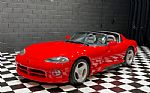
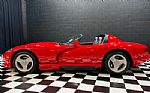
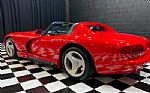
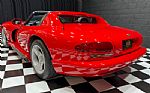
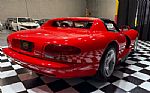
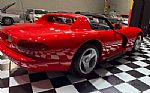
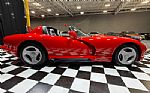
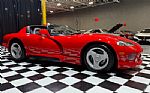
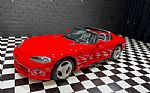
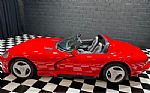
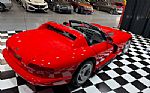
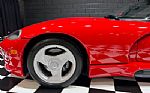
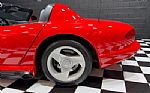
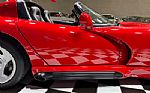
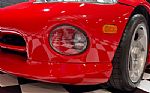
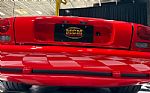
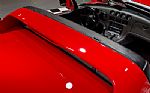
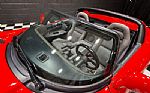
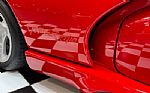
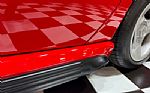
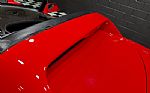
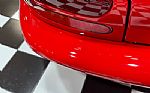
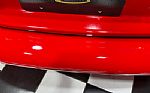
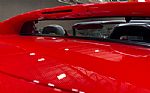
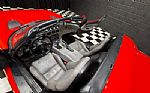
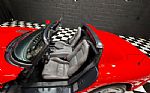
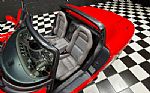
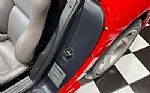
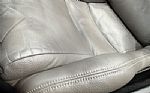
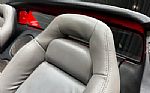
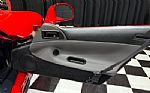
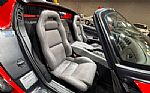
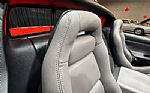
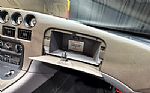
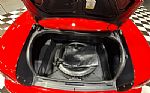
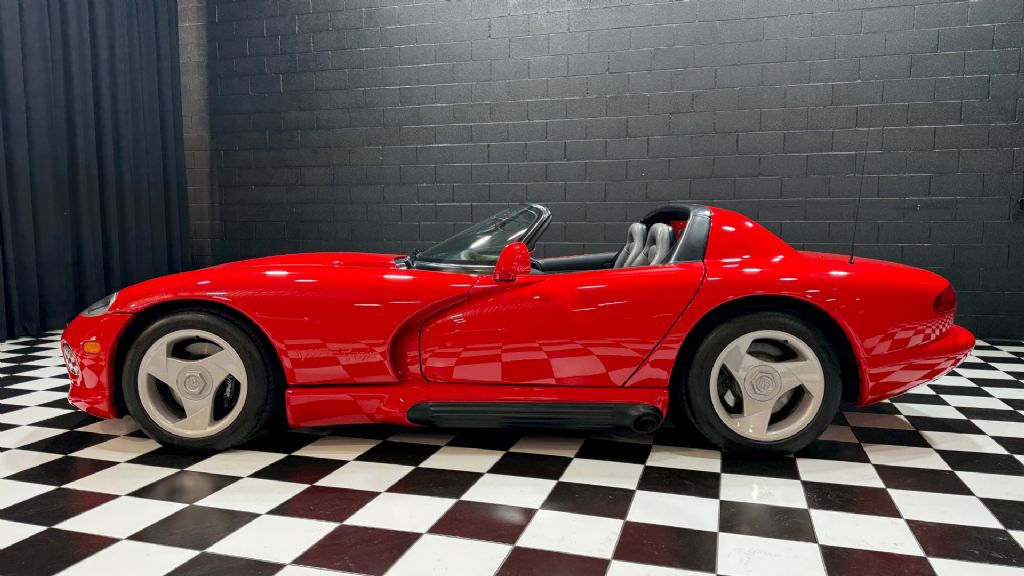
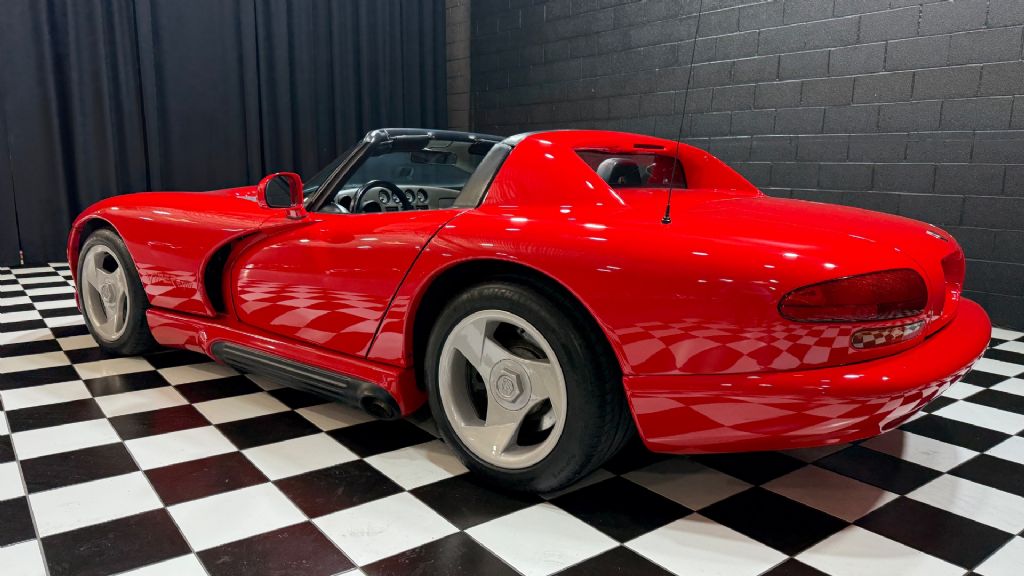
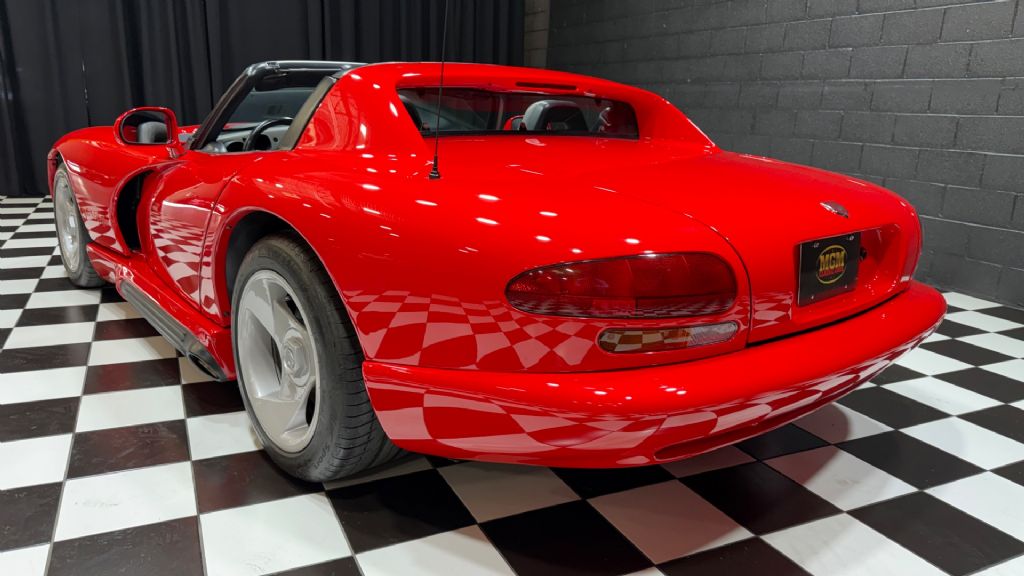
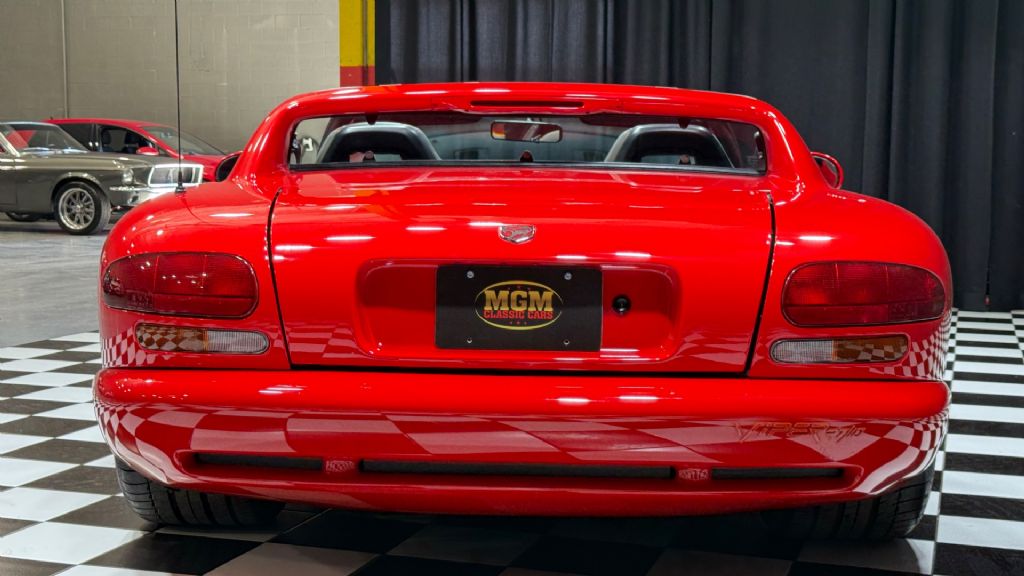
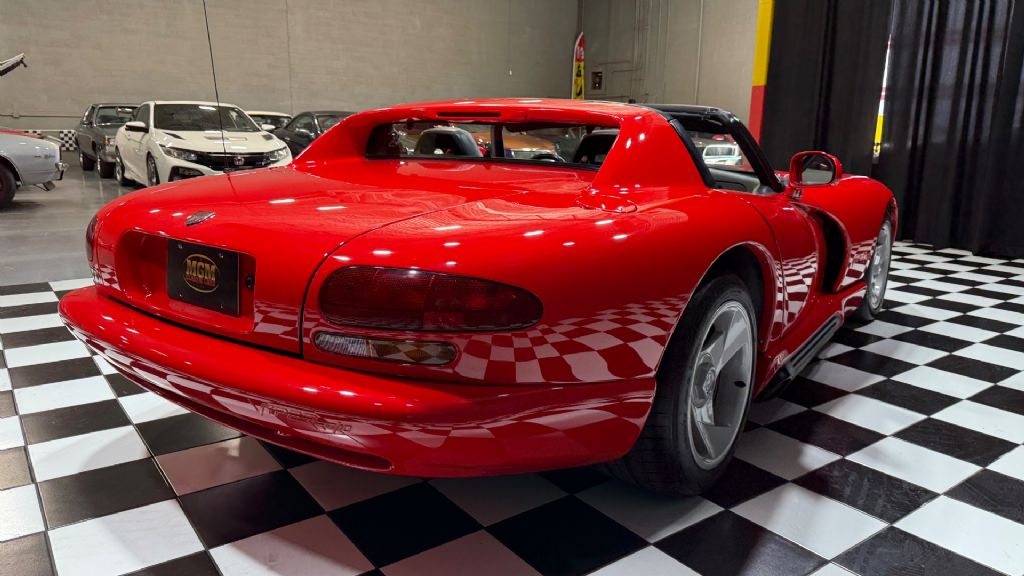
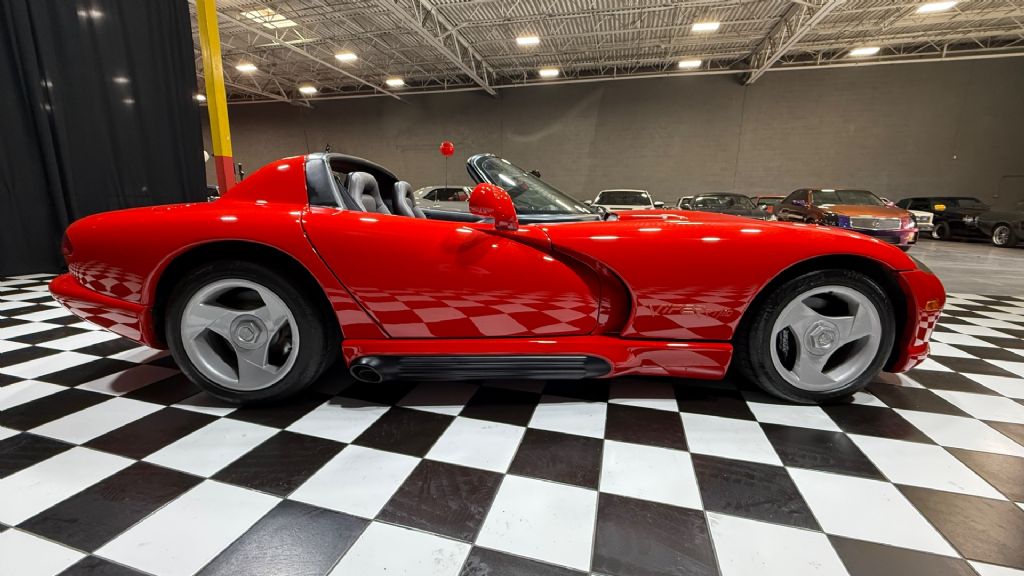
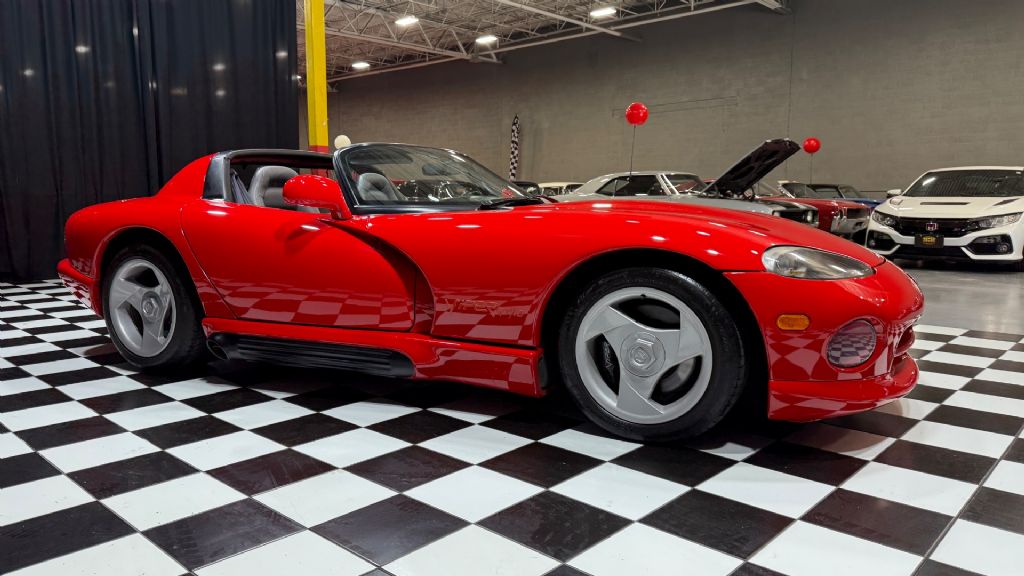
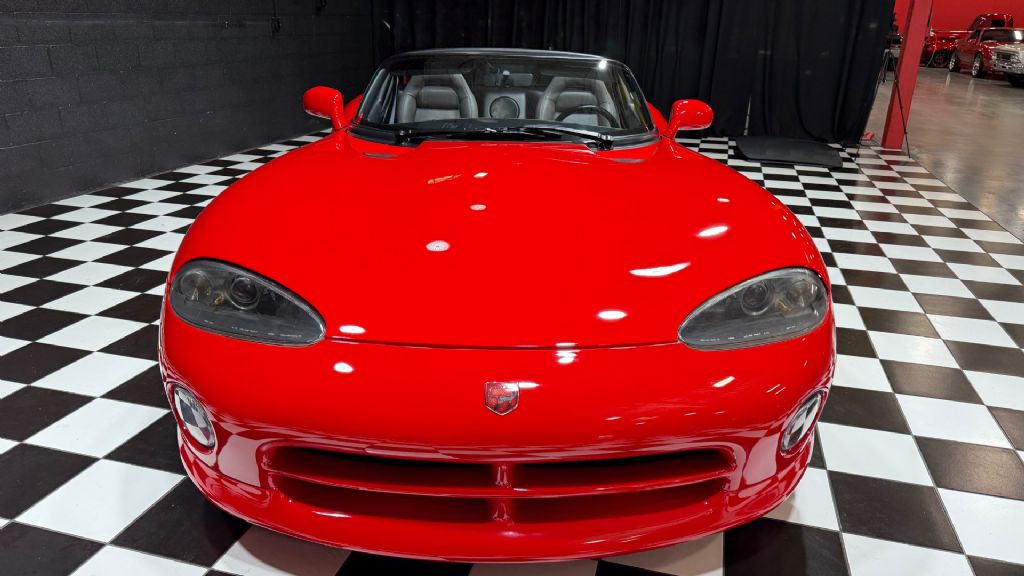
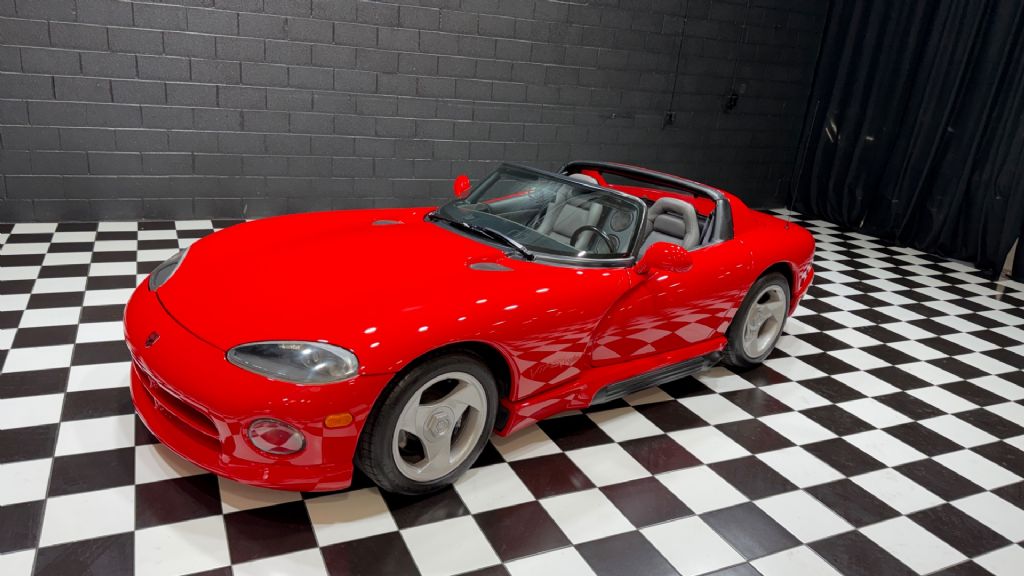
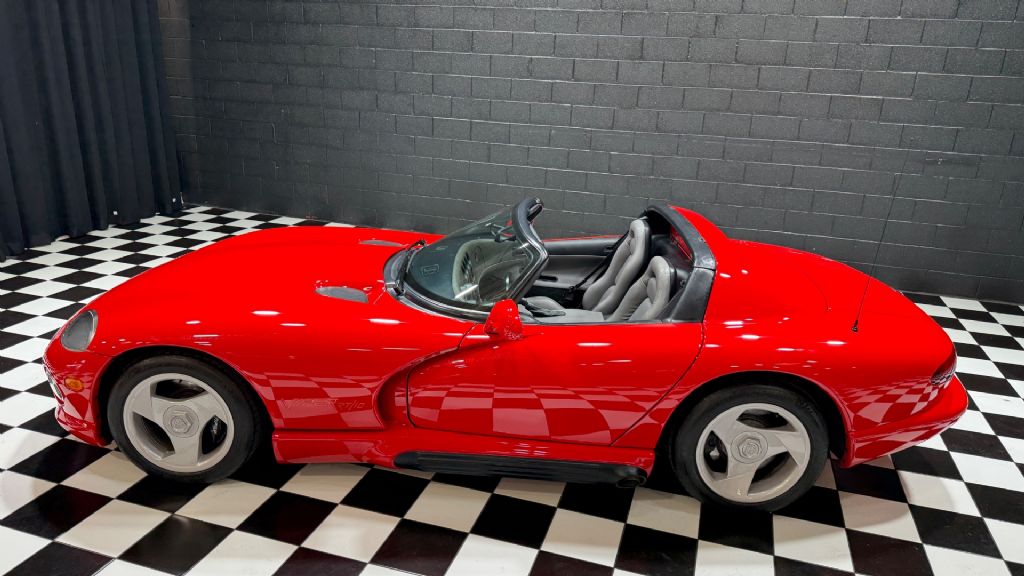
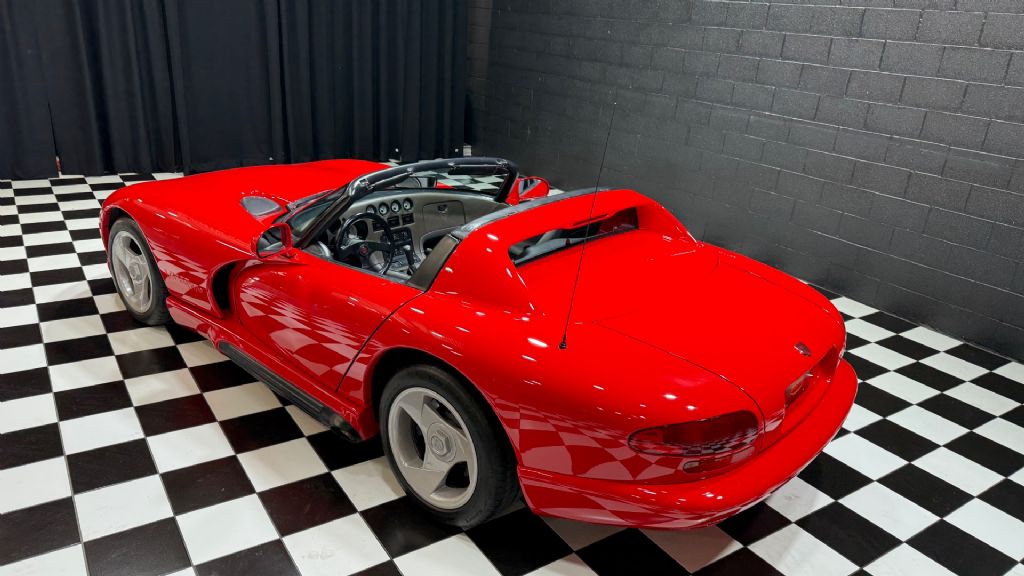
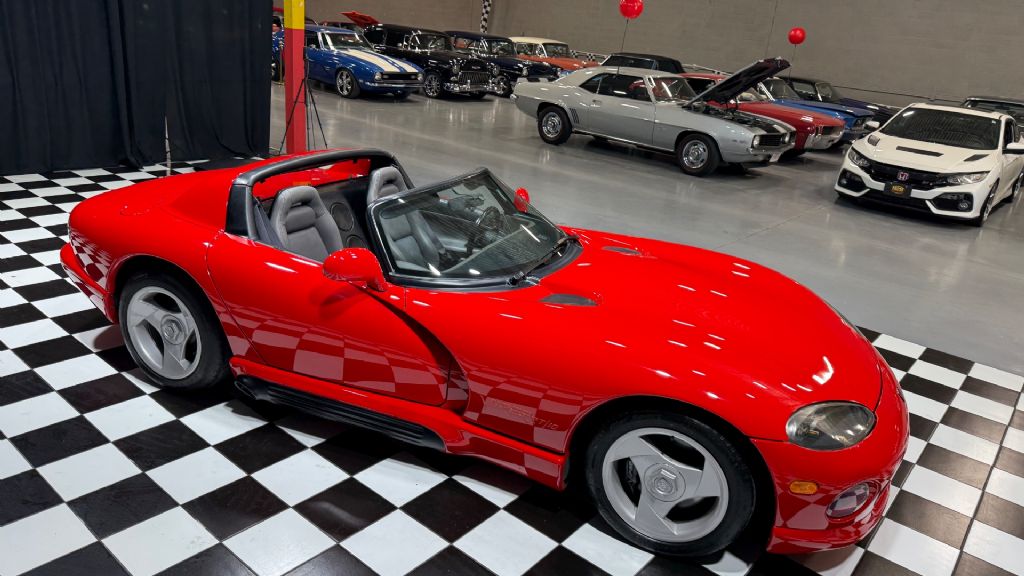
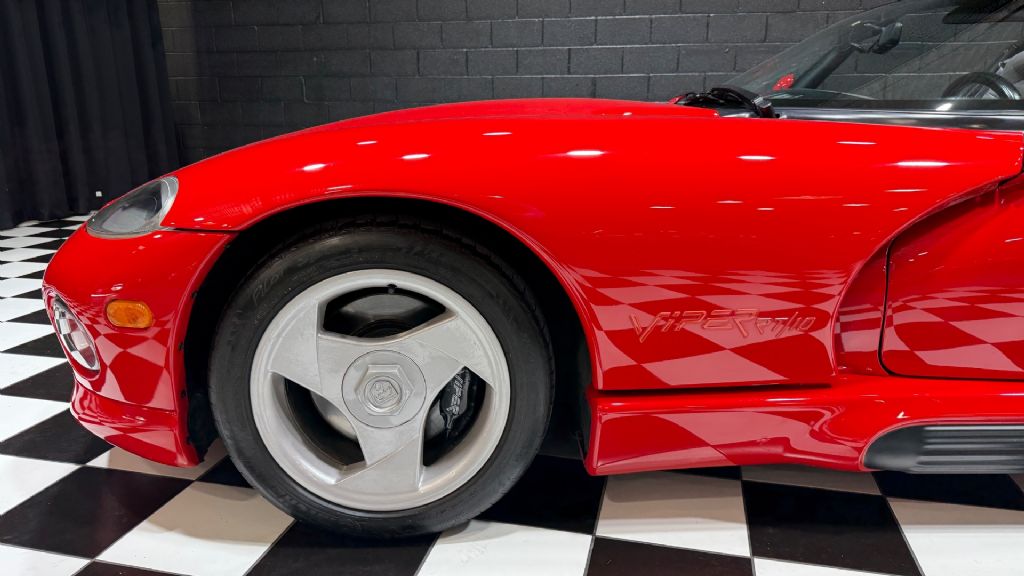
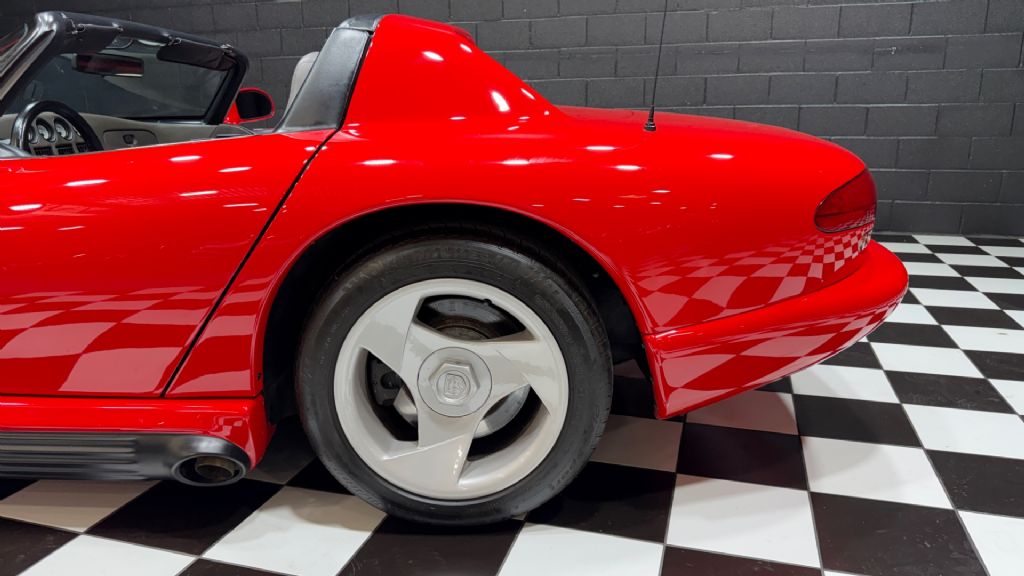
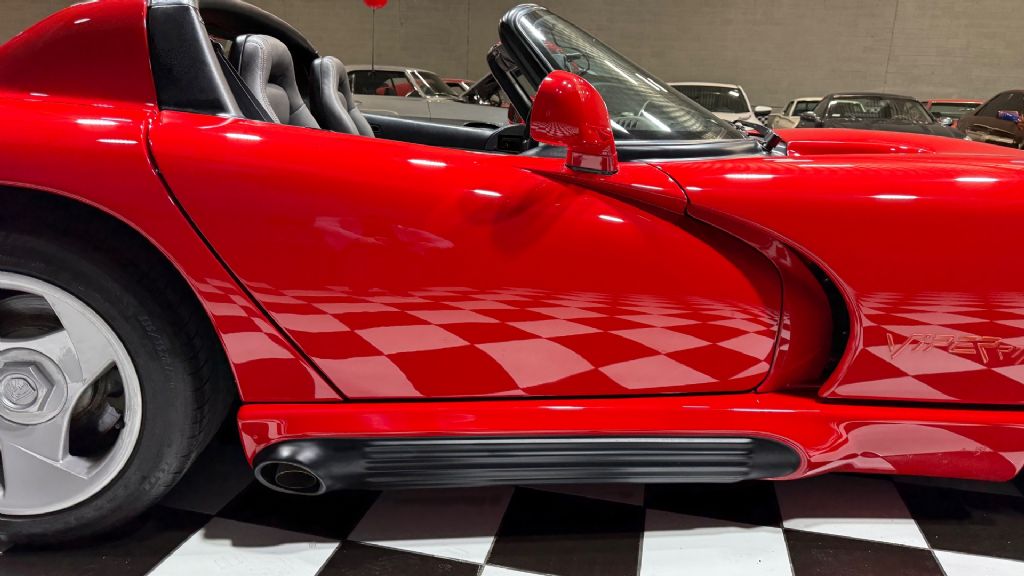
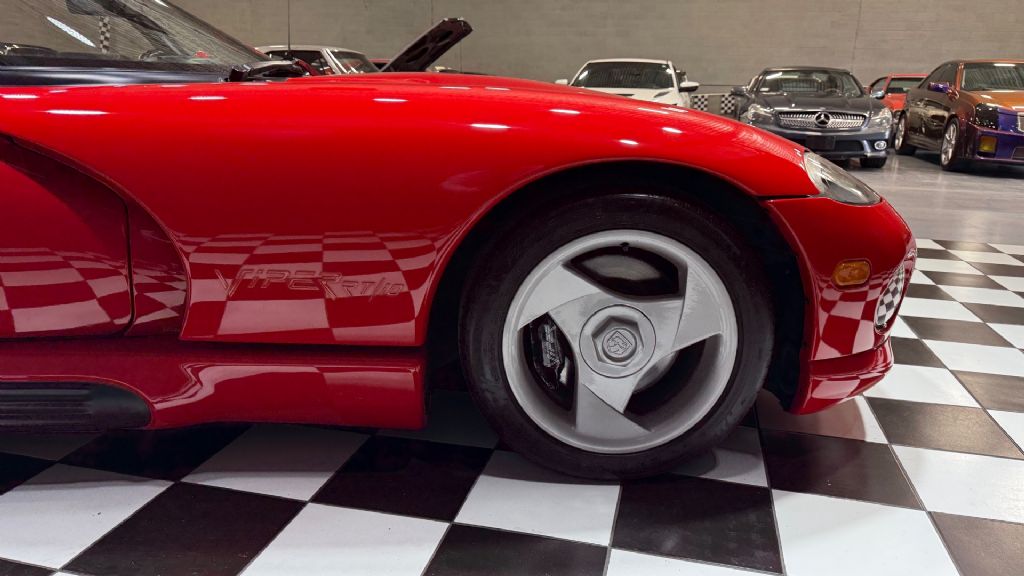
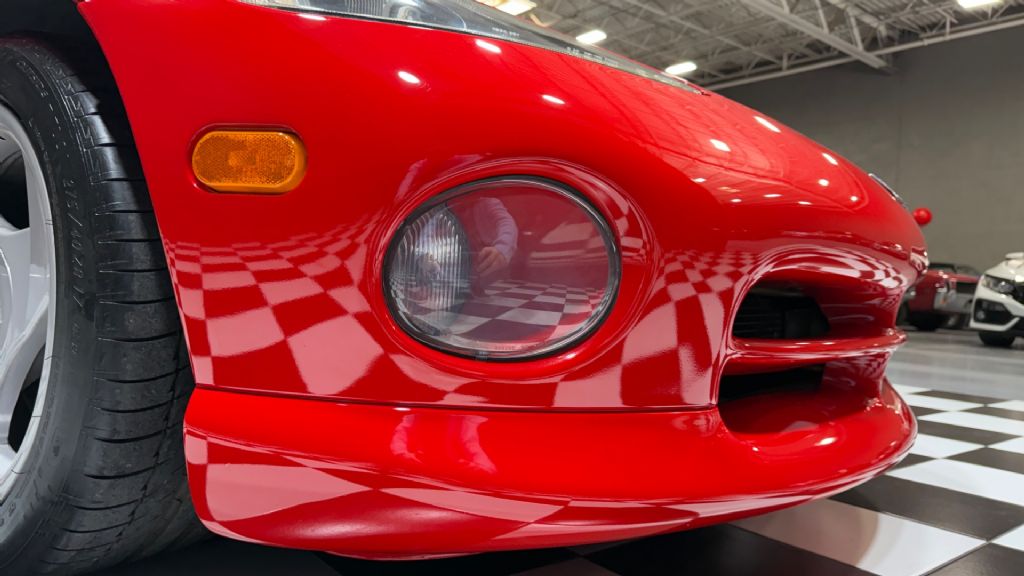
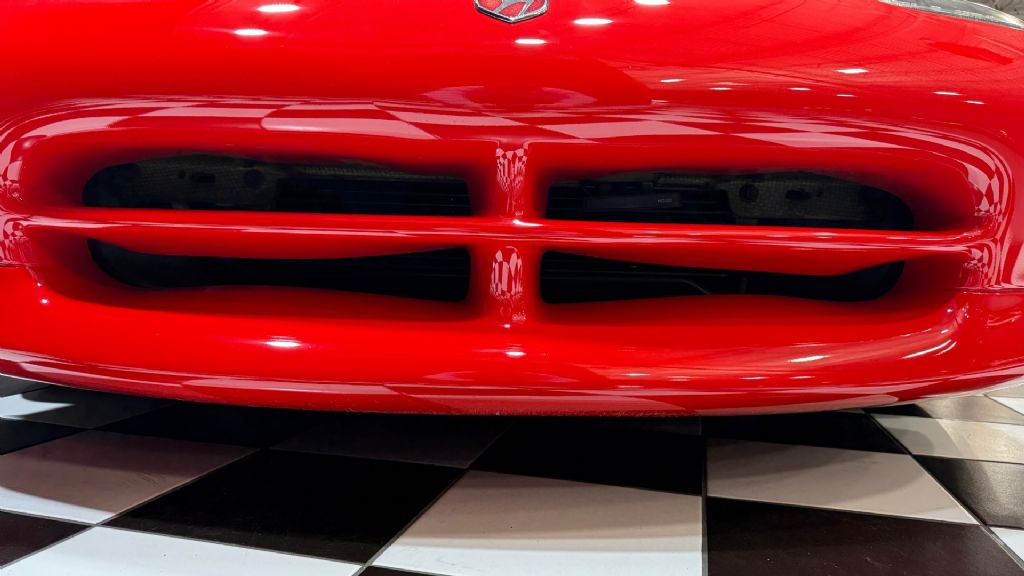
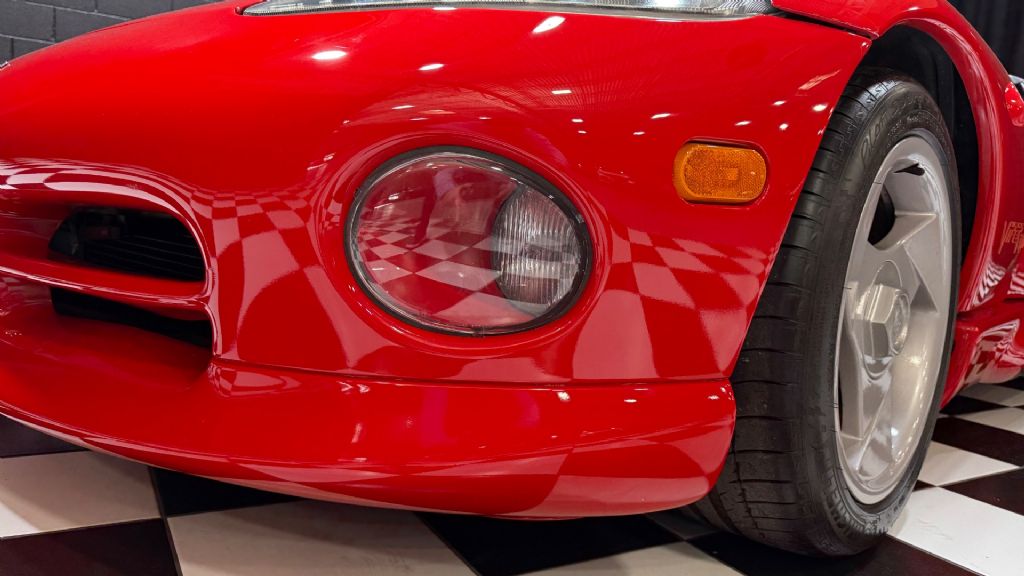
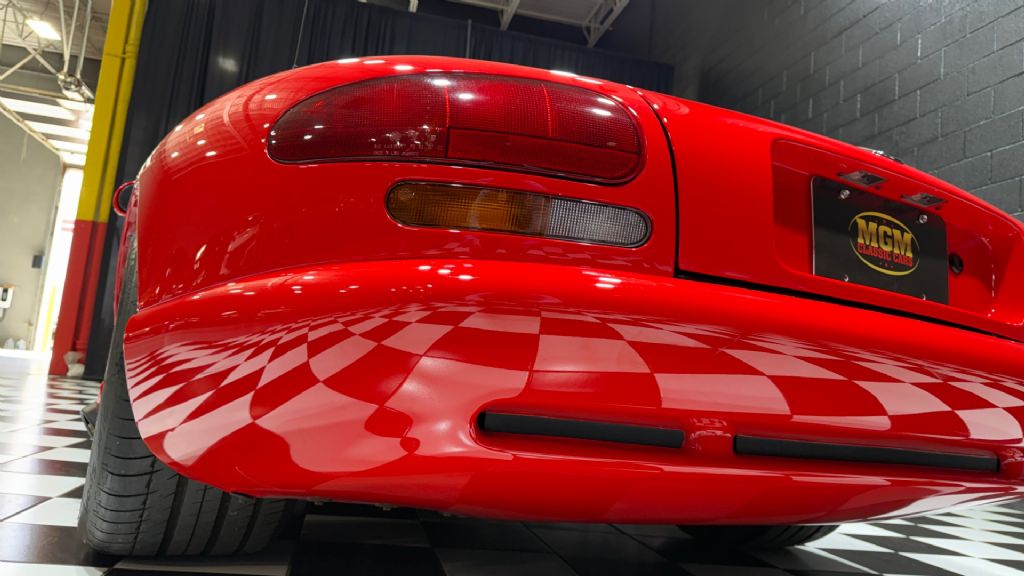
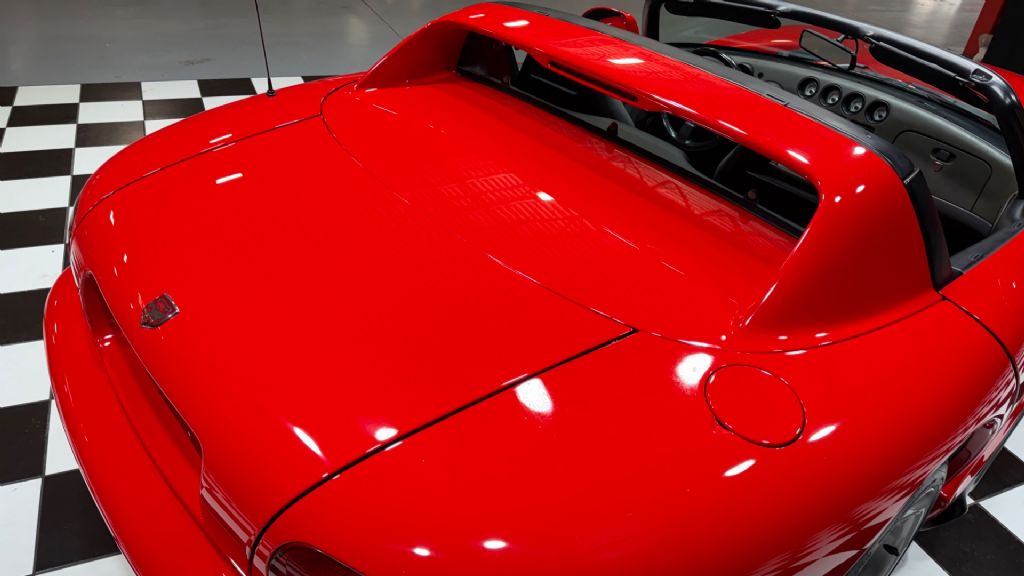
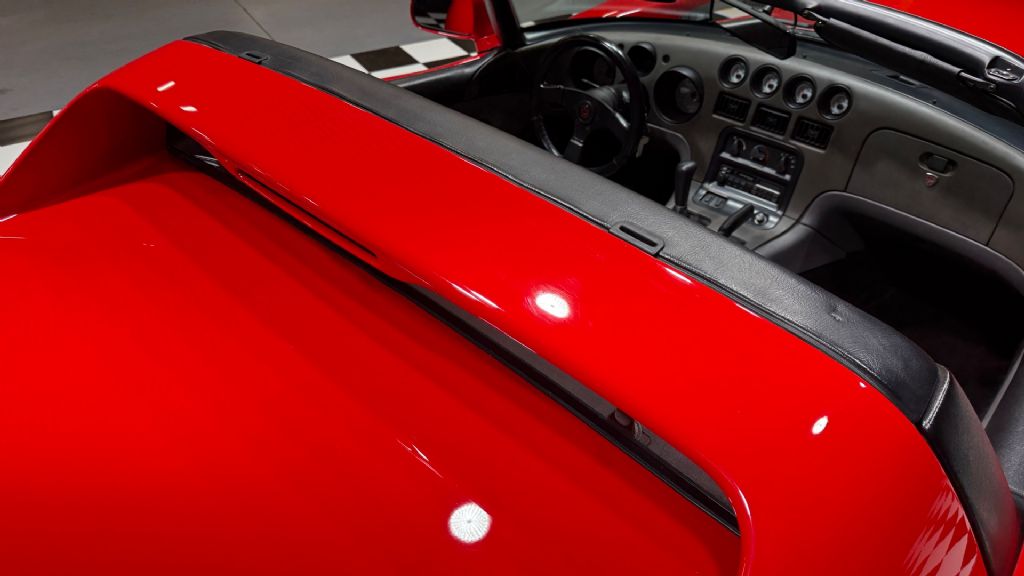
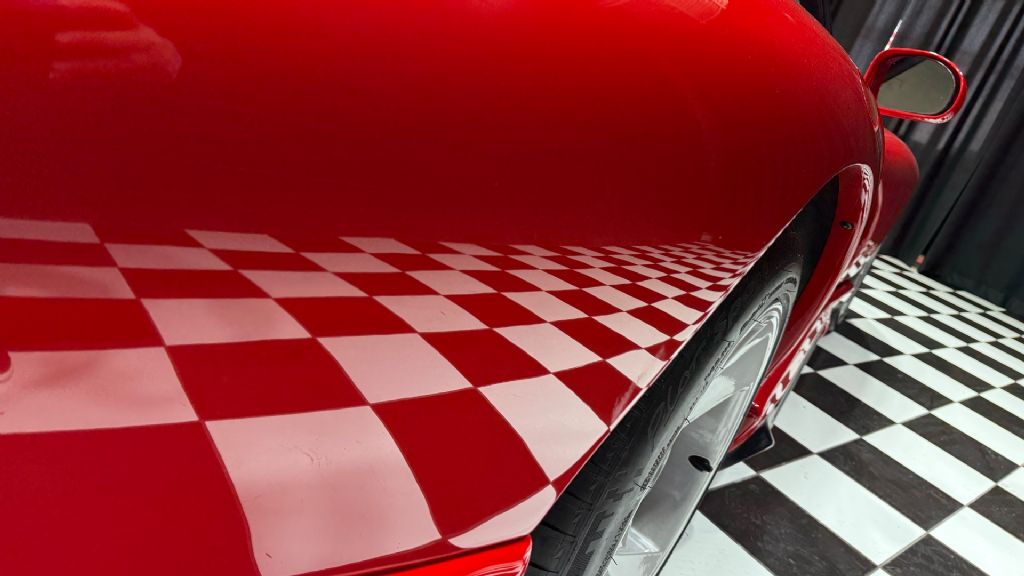
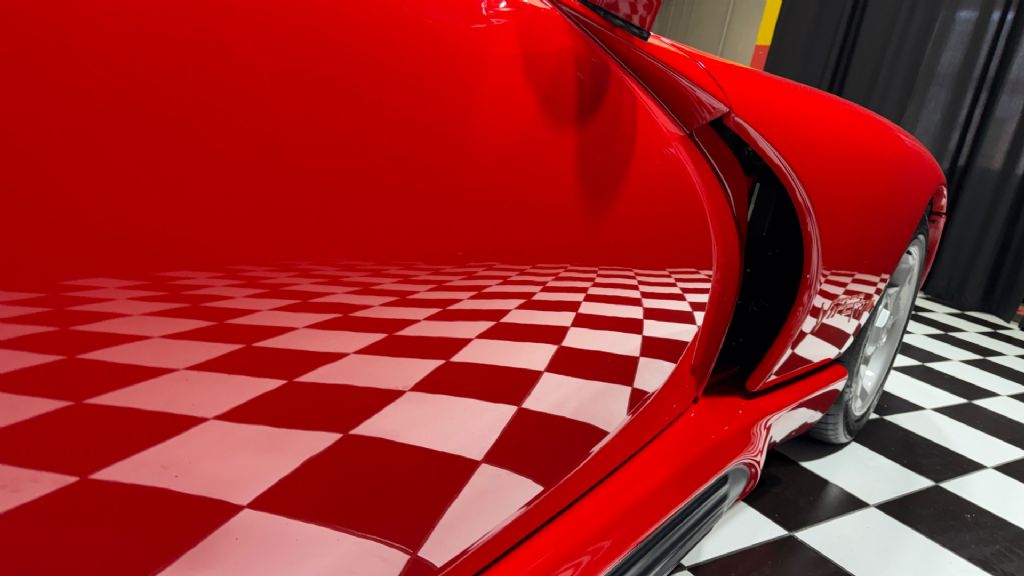
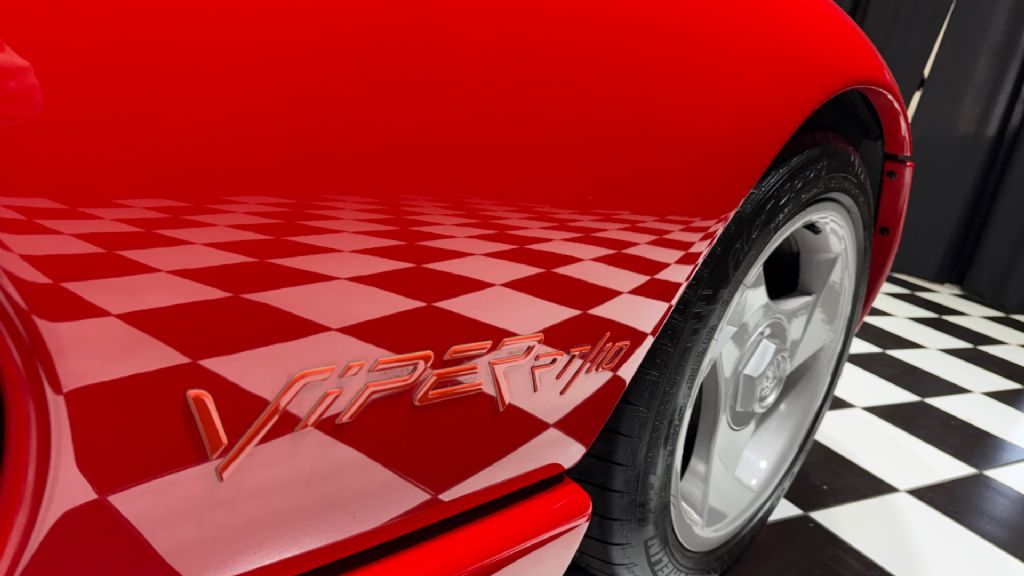
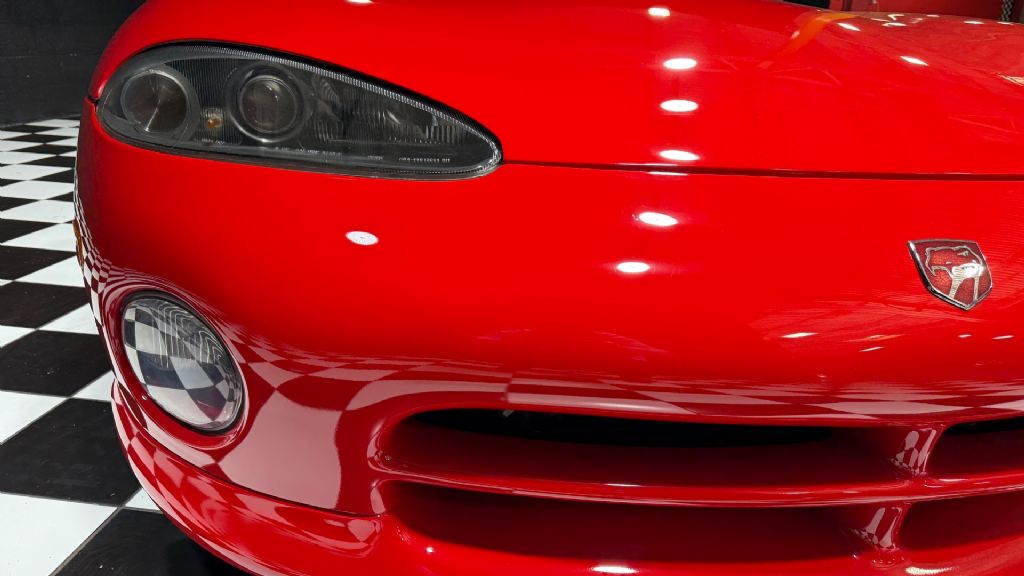
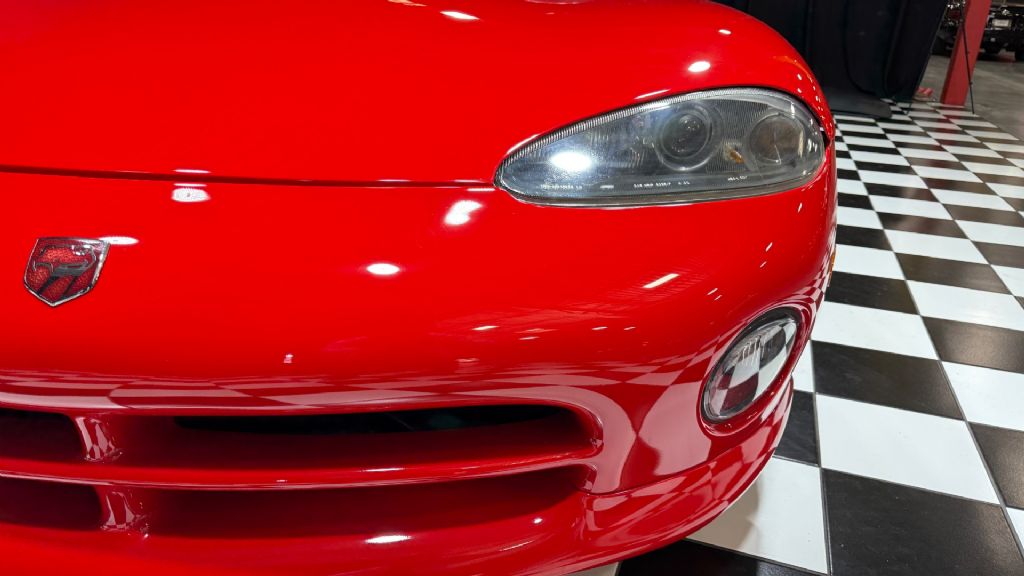
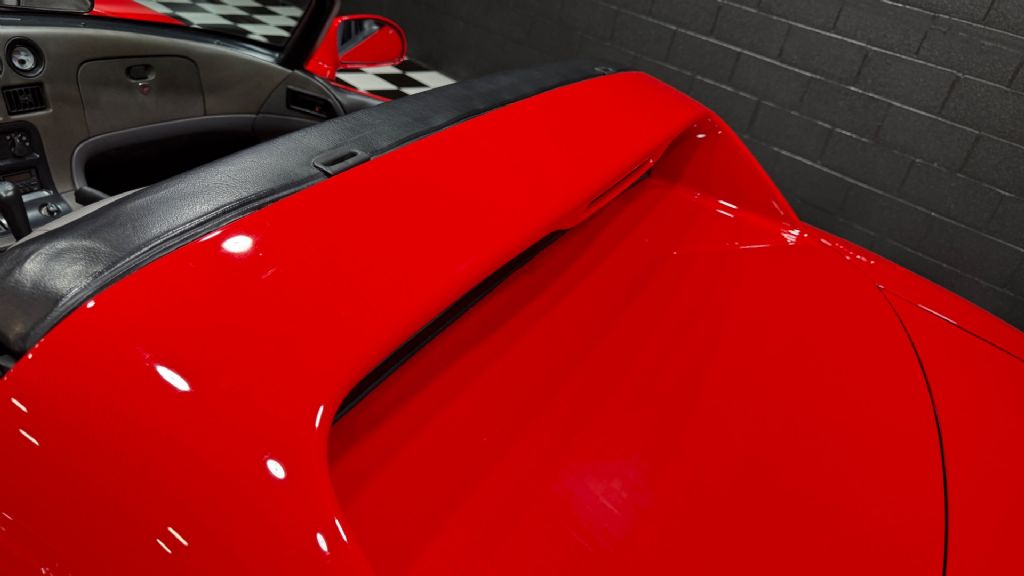
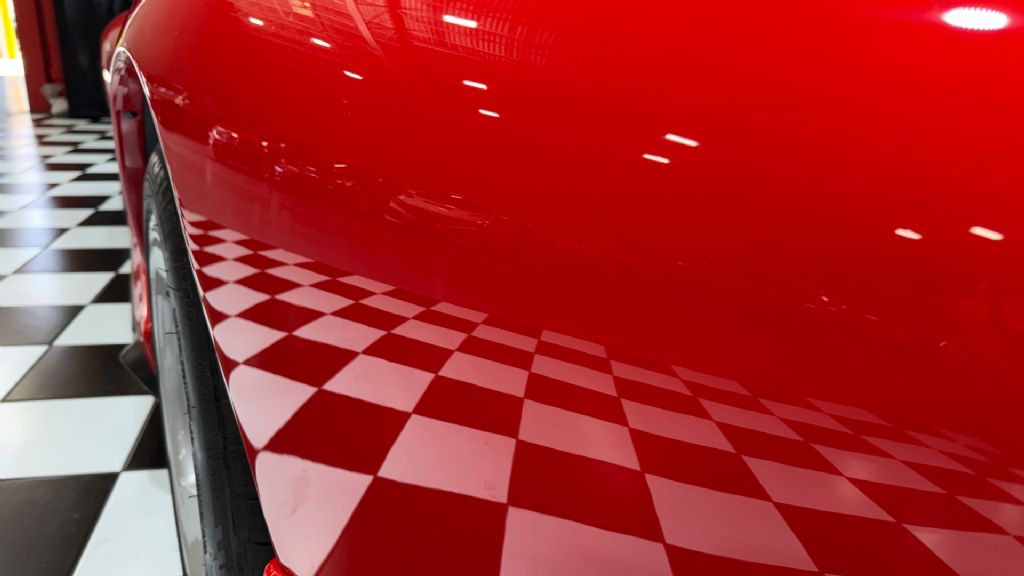
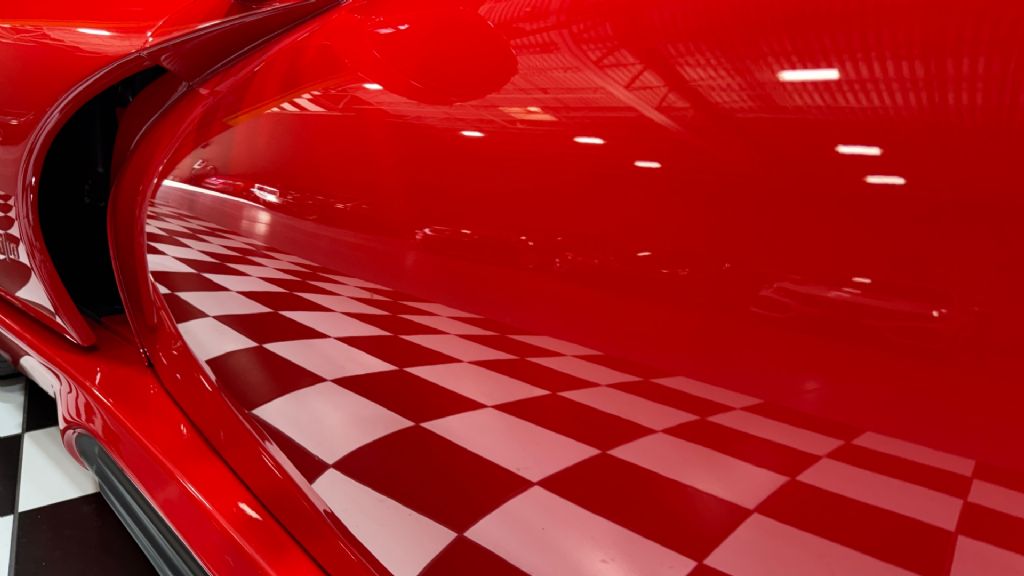
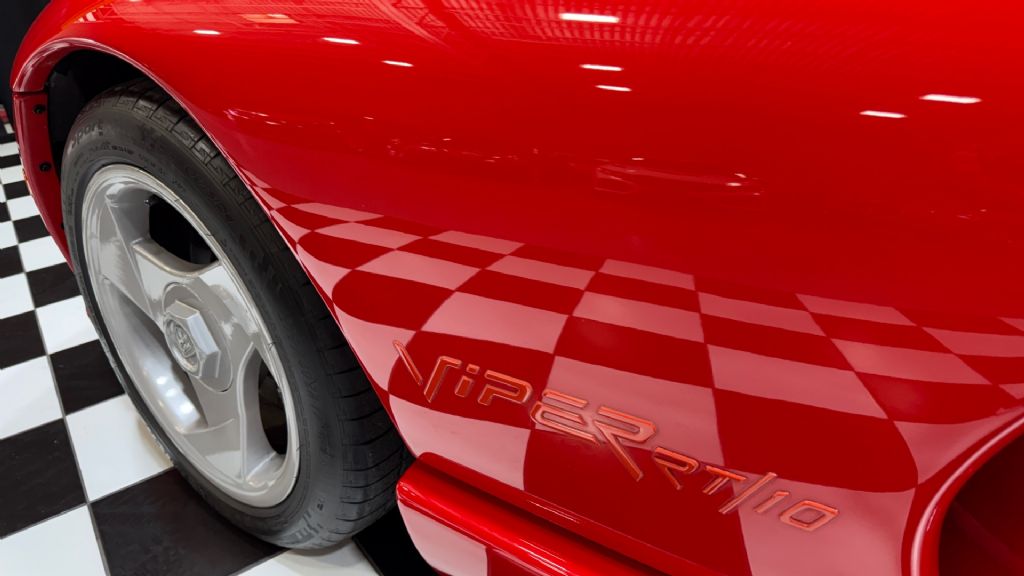
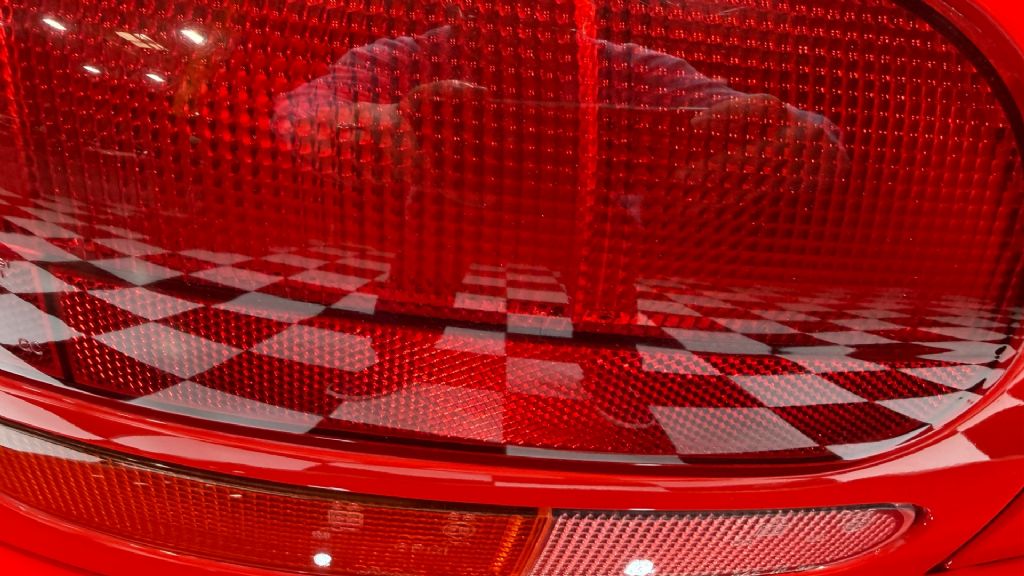
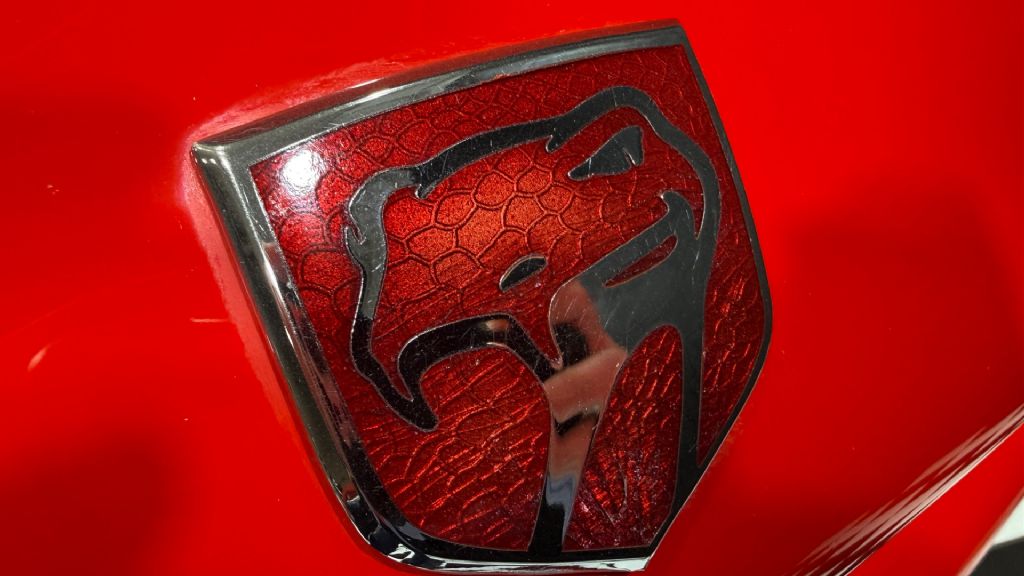
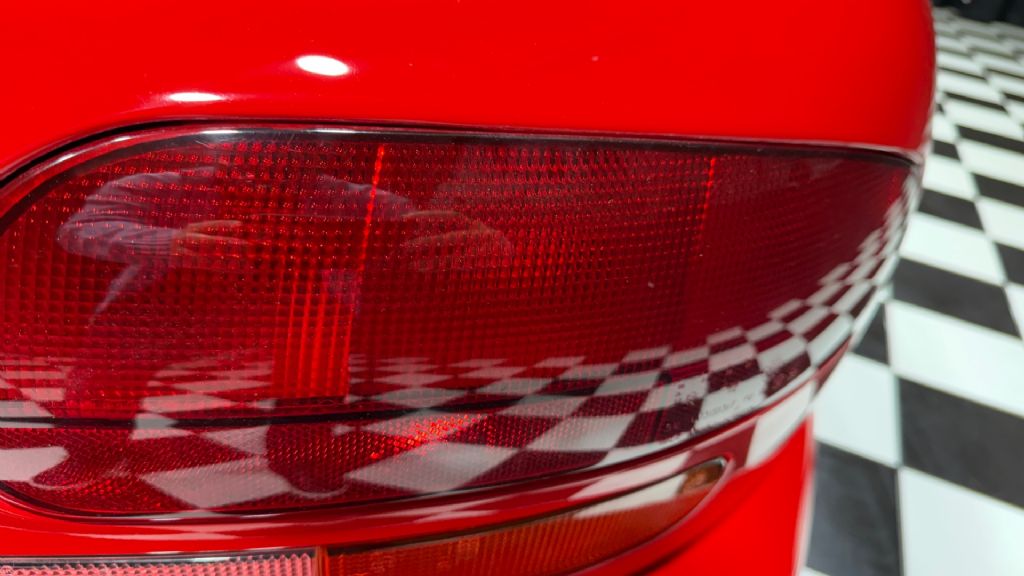
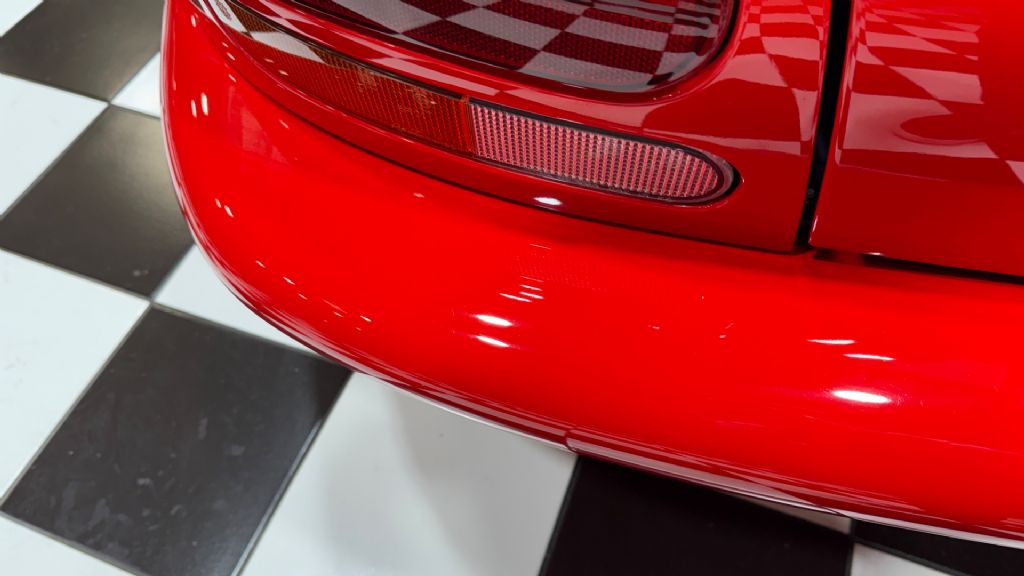
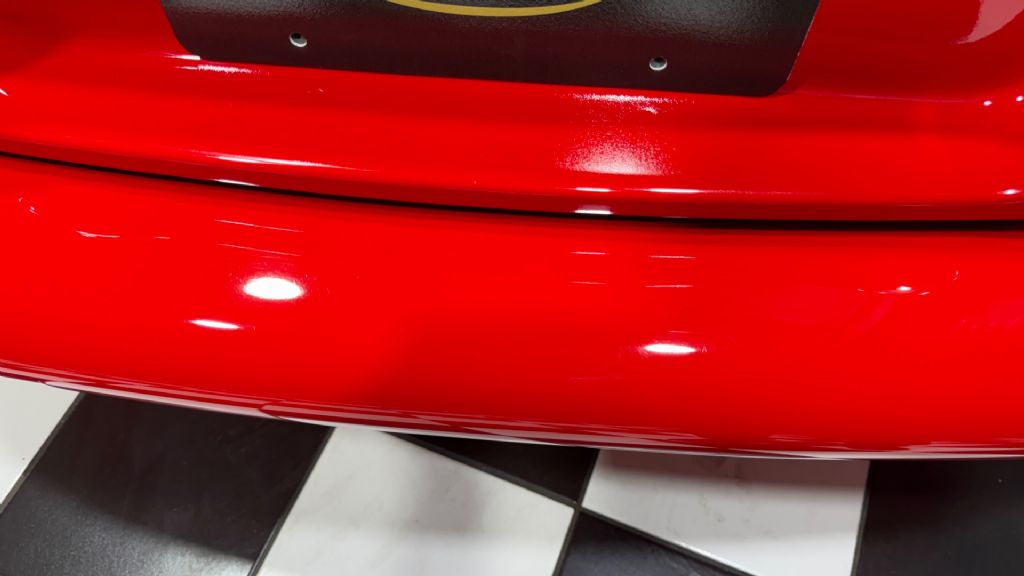
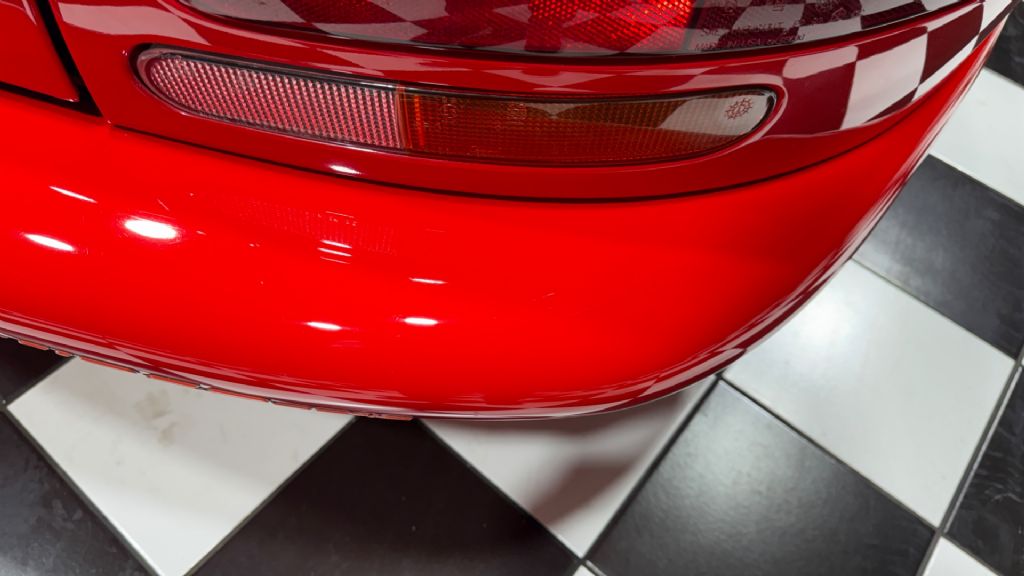
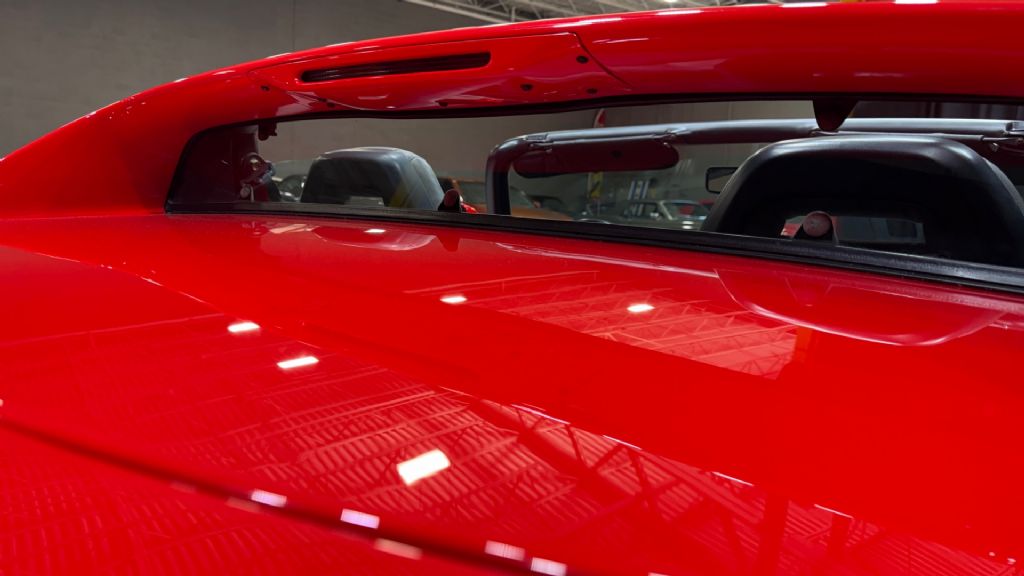
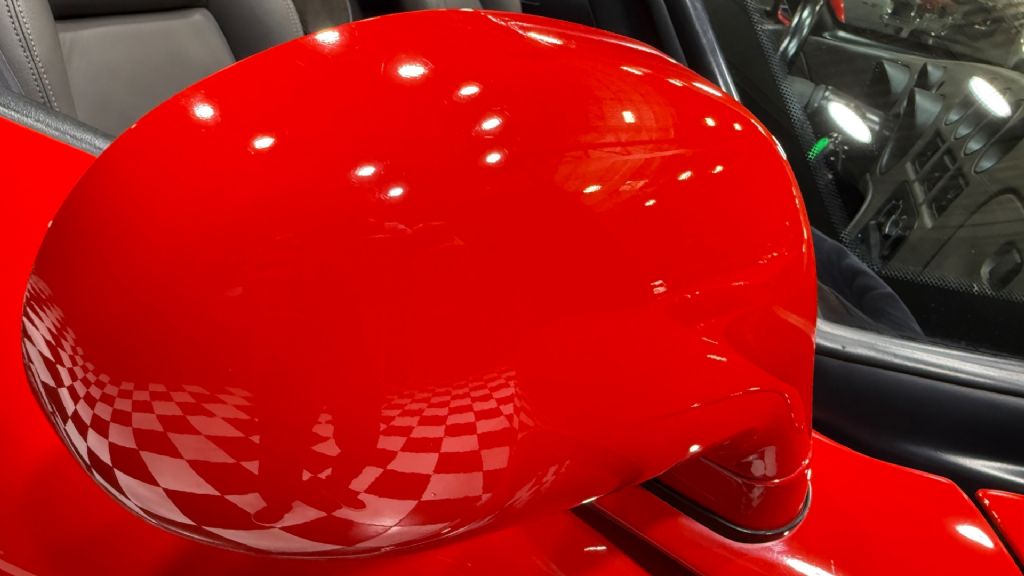
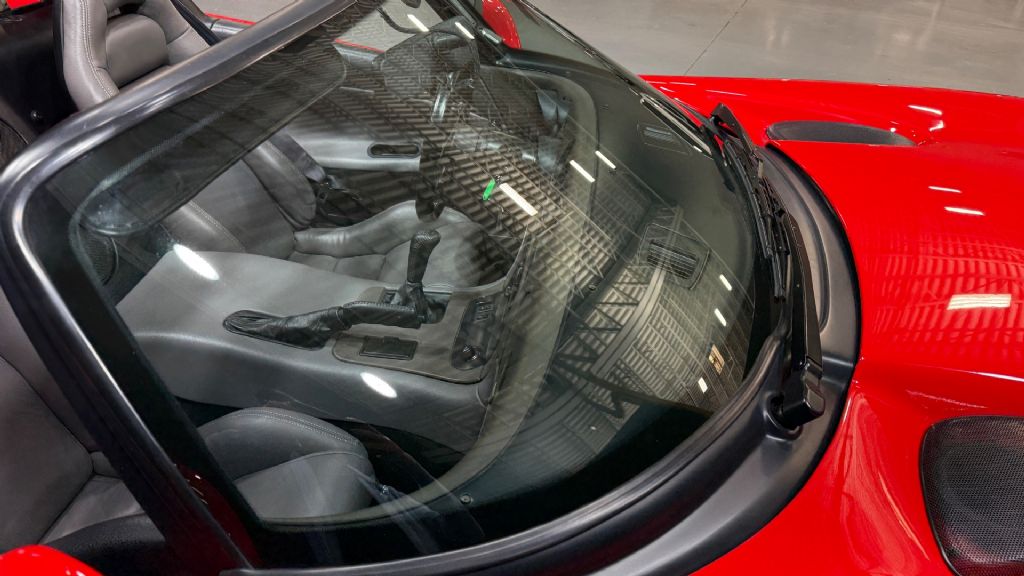
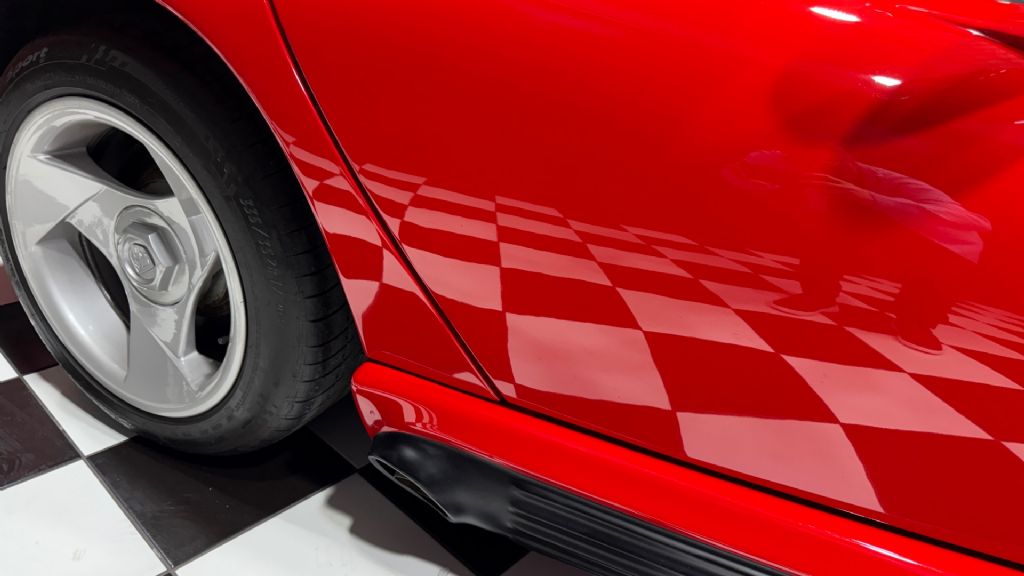
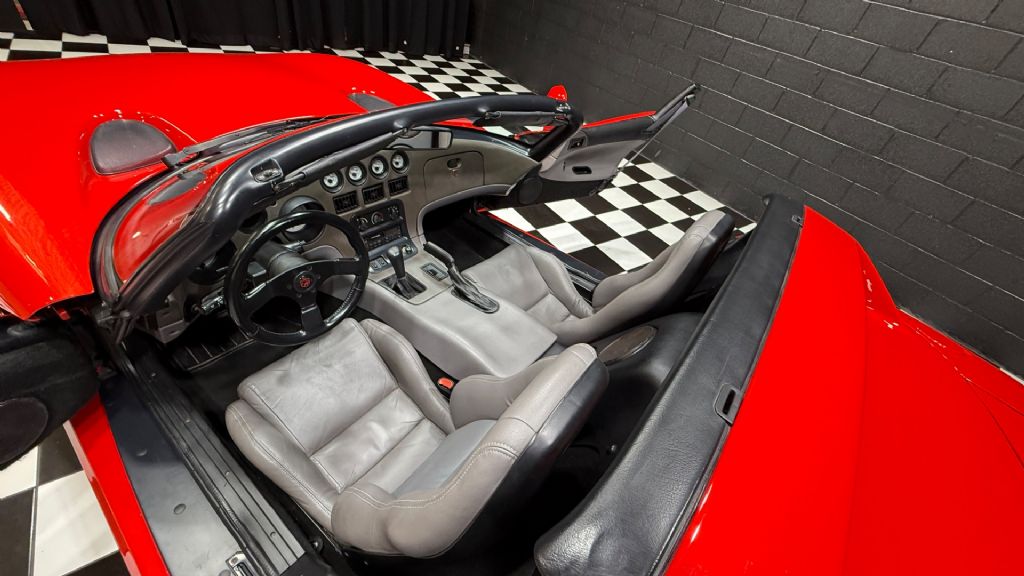
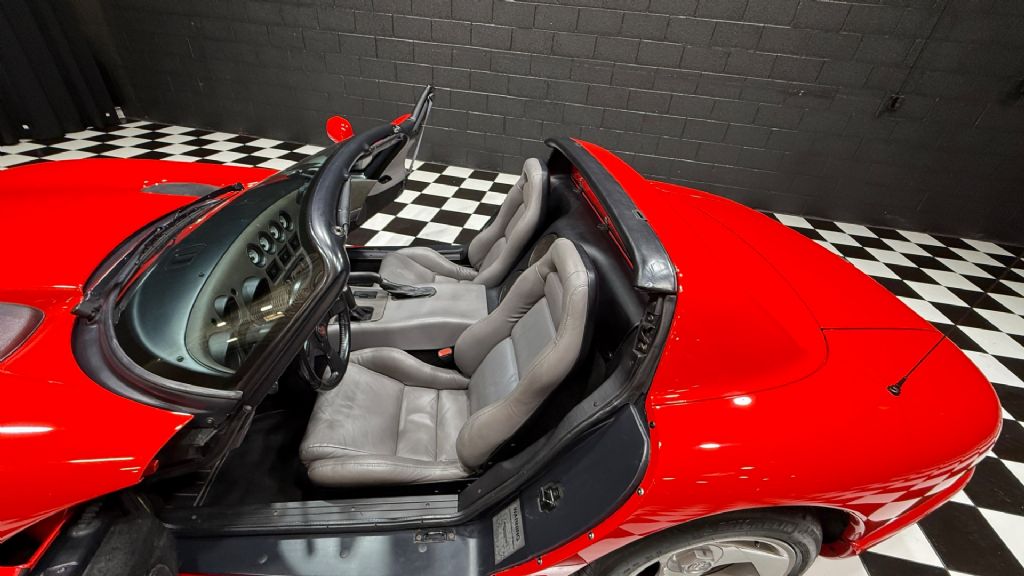
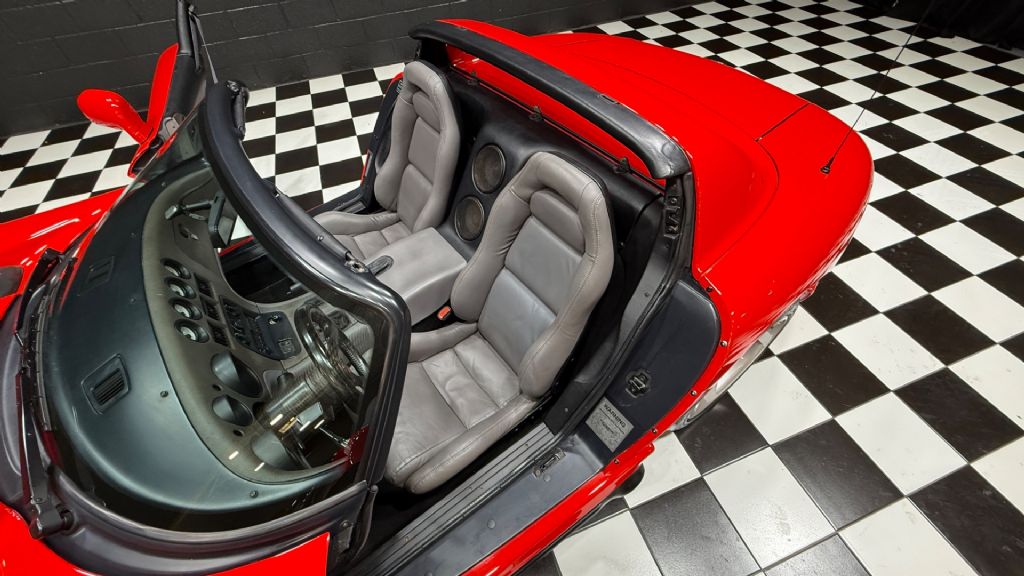
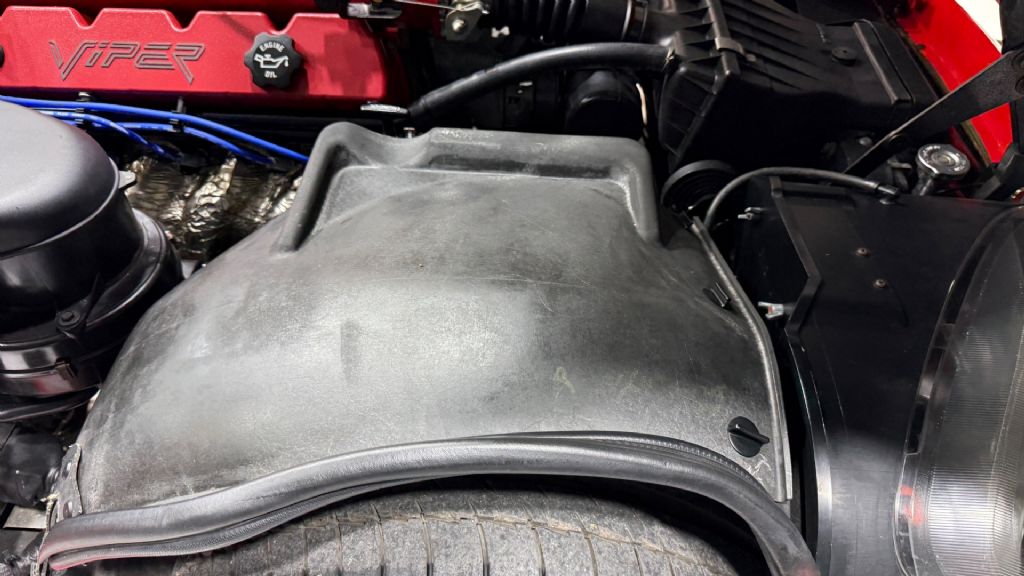
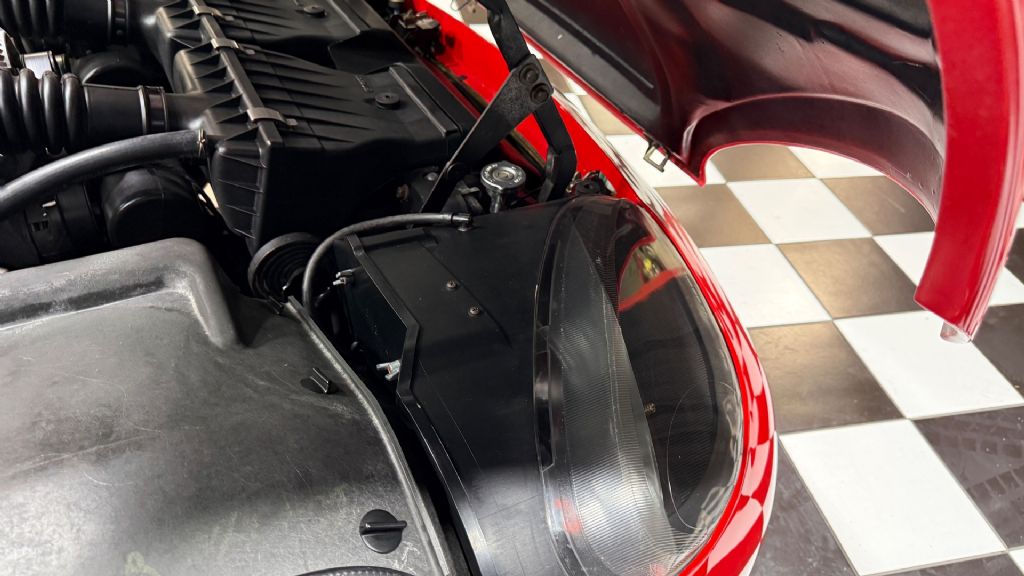
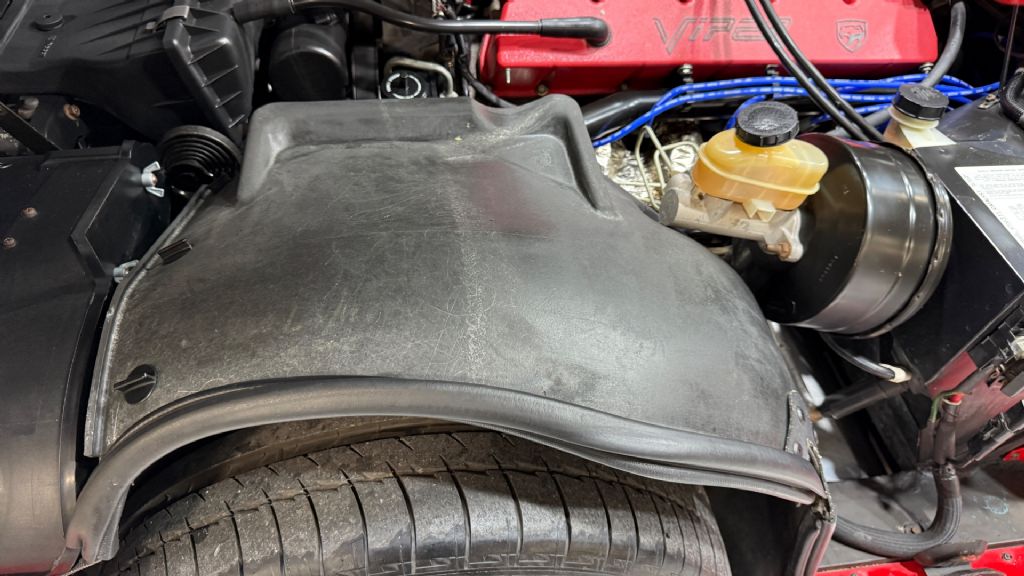
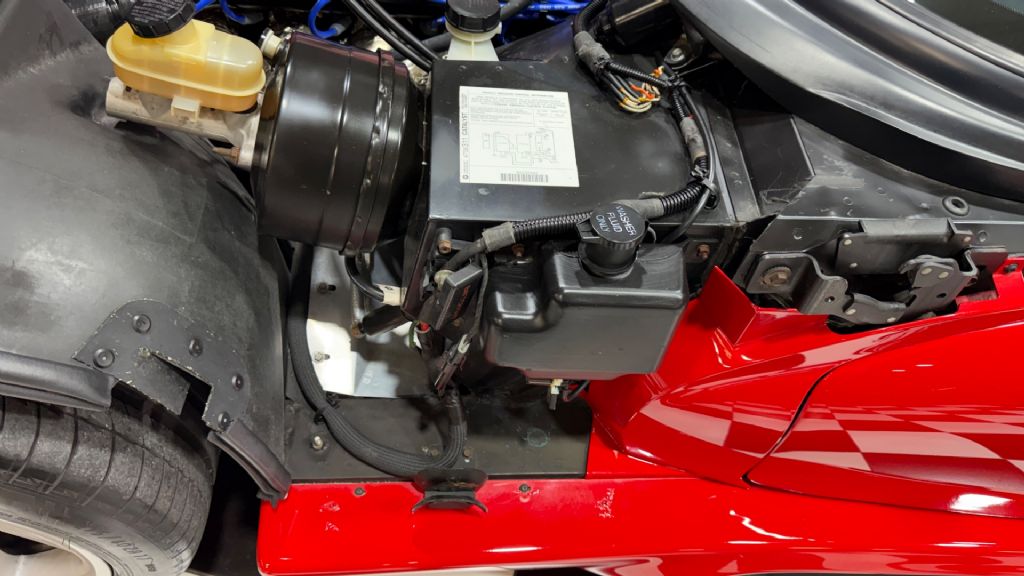
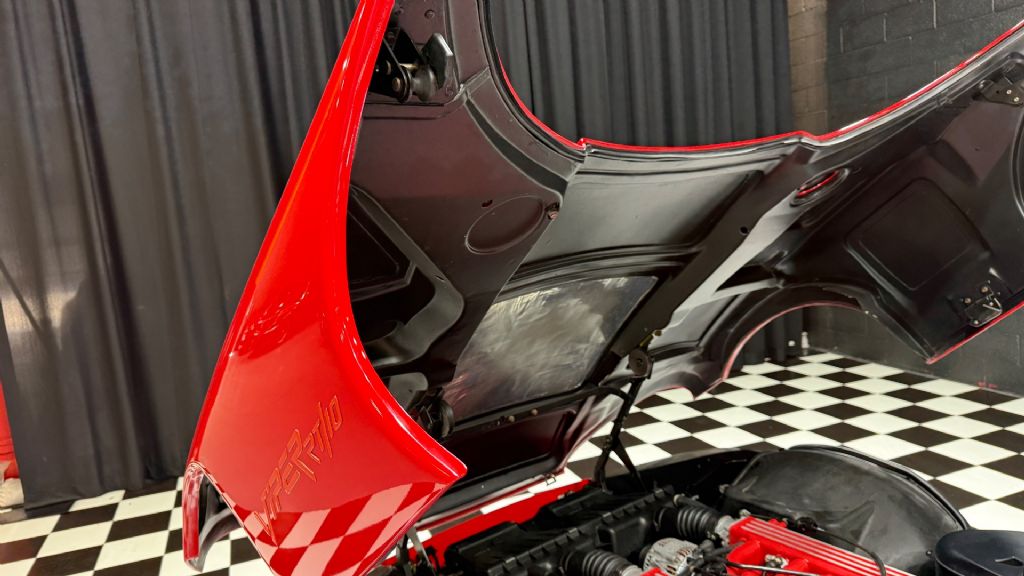
The 1992 Viper RT/10 isn't just another '90s sports car it?s the raw rebirth of American performance.
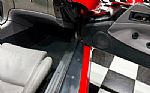
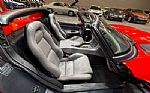
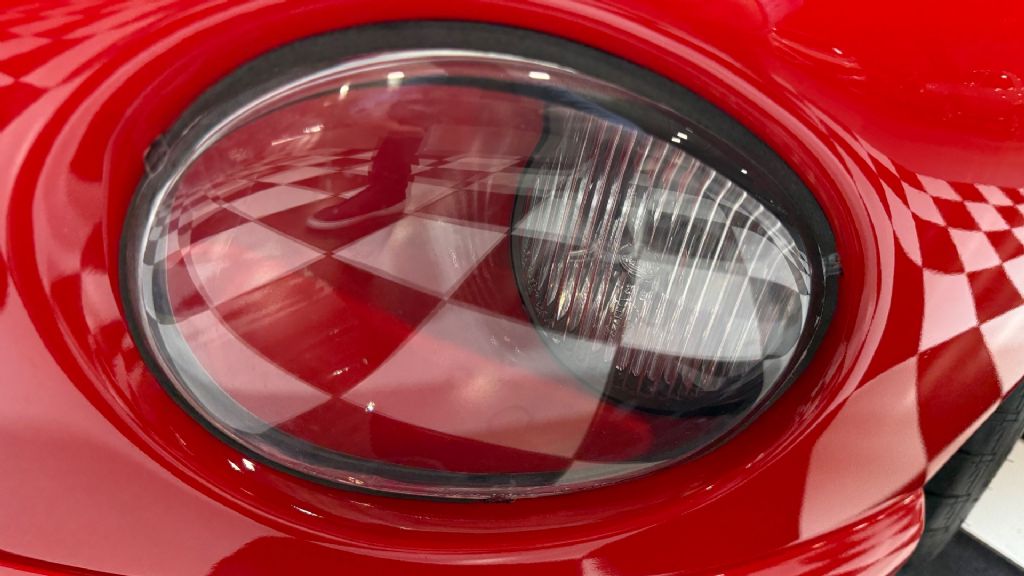
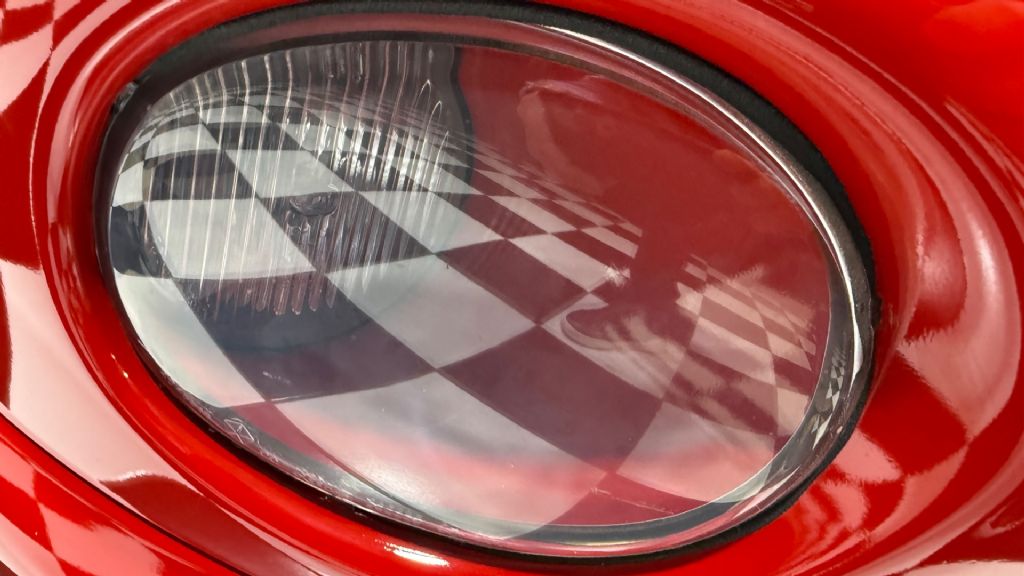
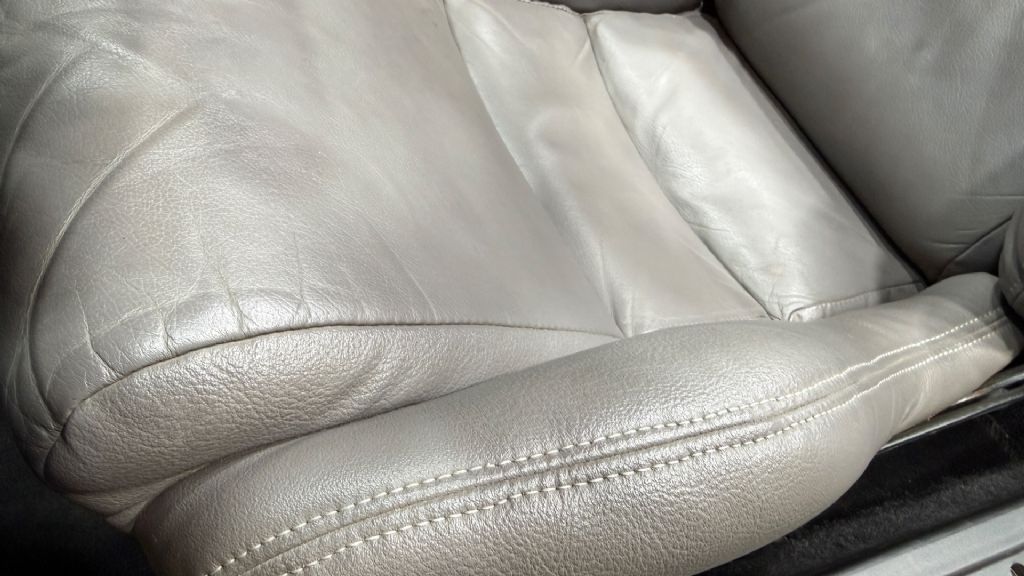
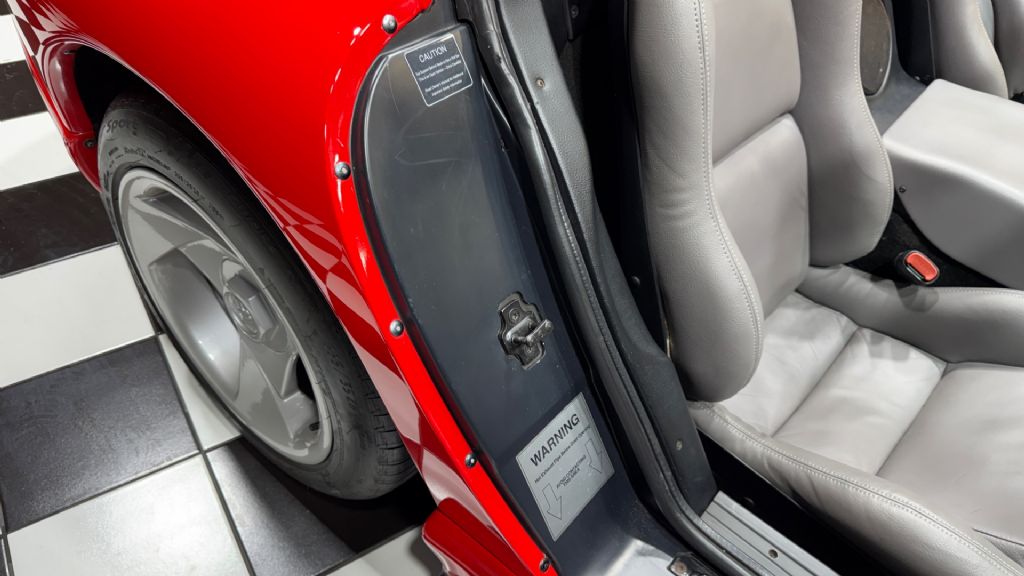
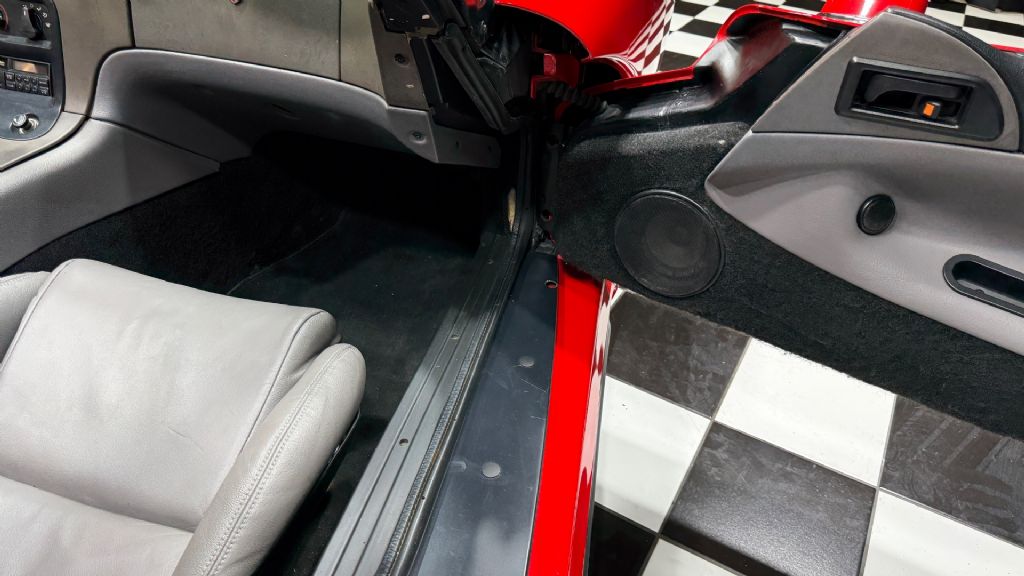
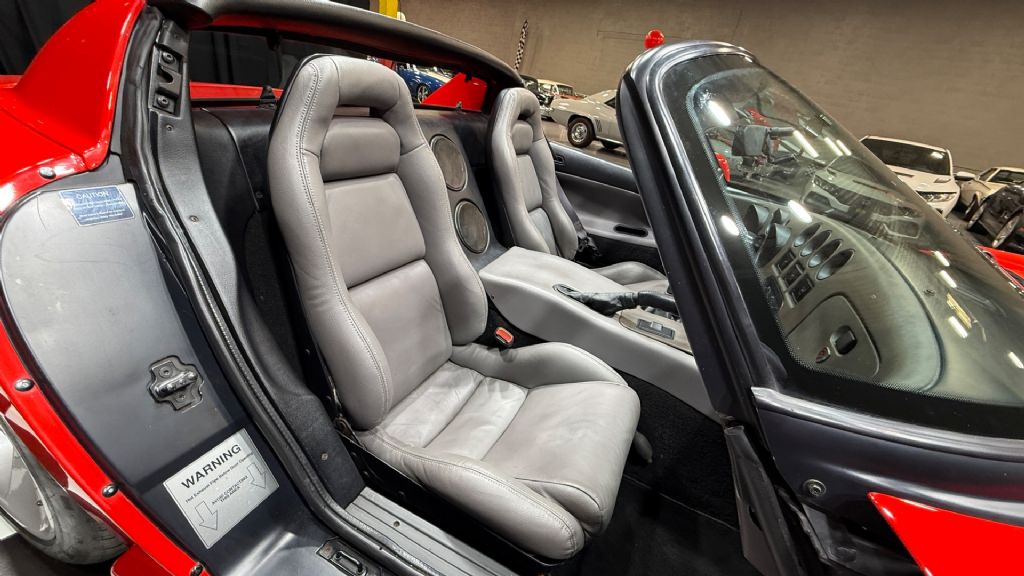
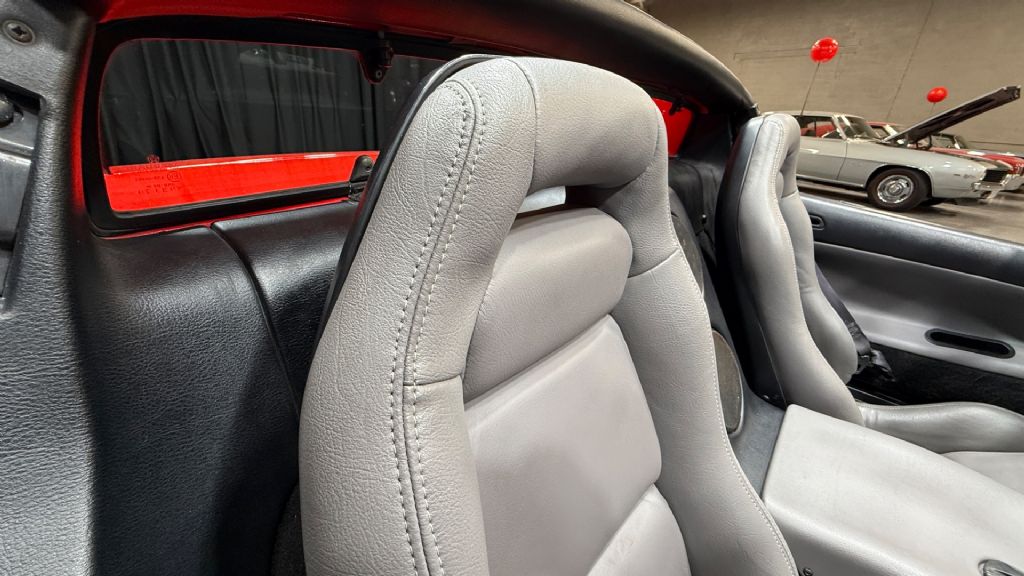
Only 8000 Original miles, Clean PA title-
The Return of the American Supercar When the Viper debuted, it shocked the industry. At a time when performance cars were getting heavier and more refined, Dodge went the opposite direction: <strong data-end="404" data-start="372">no compromises, no apologies</b>. It was inspired by the classic Shelby Cobra formula: massive engine, lightweight body, minimal creature comforts.
Brutal Power (For Its Time)
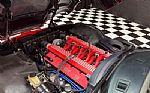
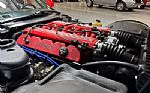
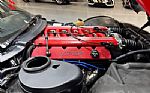
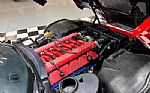
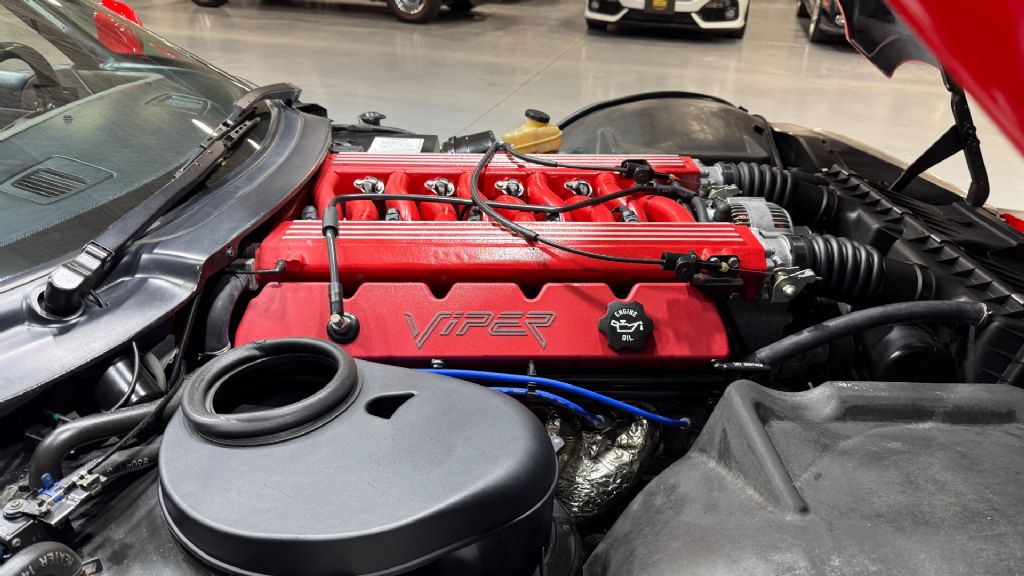
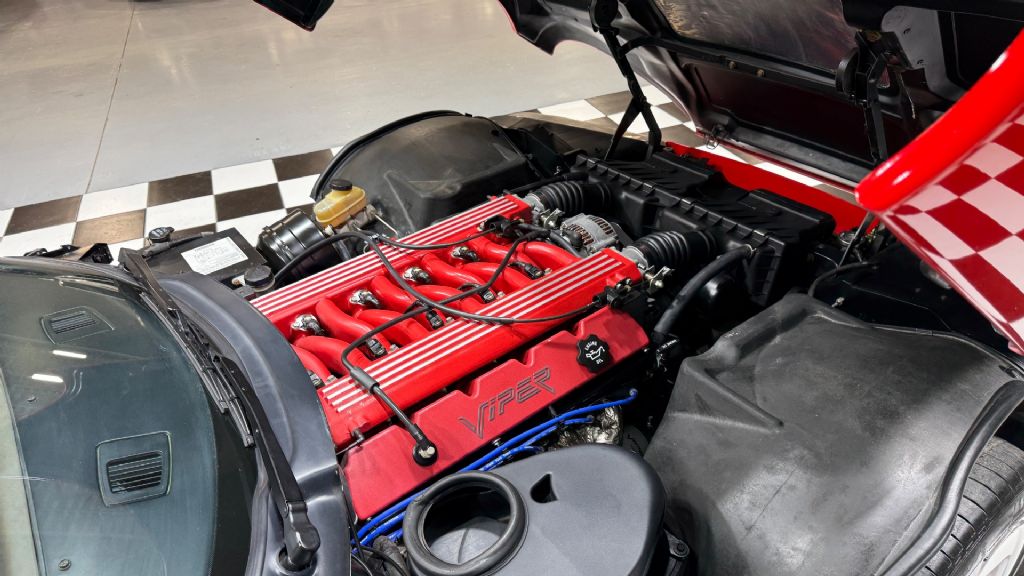
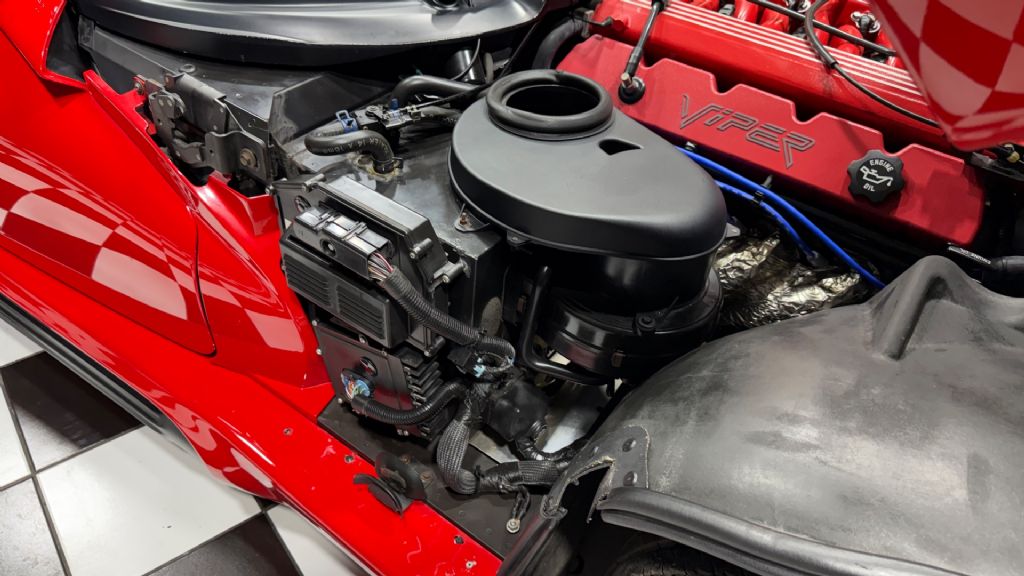
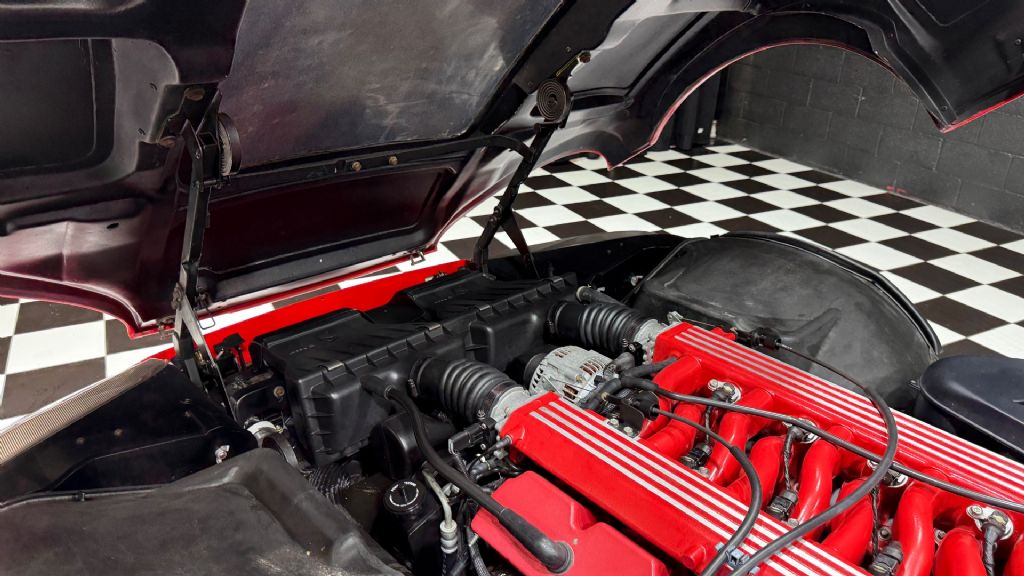
<strong data-end="571" data-start="559">8.0L V10</b> developed with help from Lamborghini (then owned by Chrysler)
<strong data-end="680" data-start="657">465 lb-ft of torque</b>
060 mph in about 4.5 seconds
Top speed around 165 mph
In 1992, those numbers were supercar territory competing with exotics costing far more.
Raw, No-Nonsense Driving Experience
The early RT/10 models were famously stripped down:
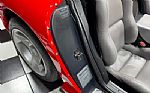
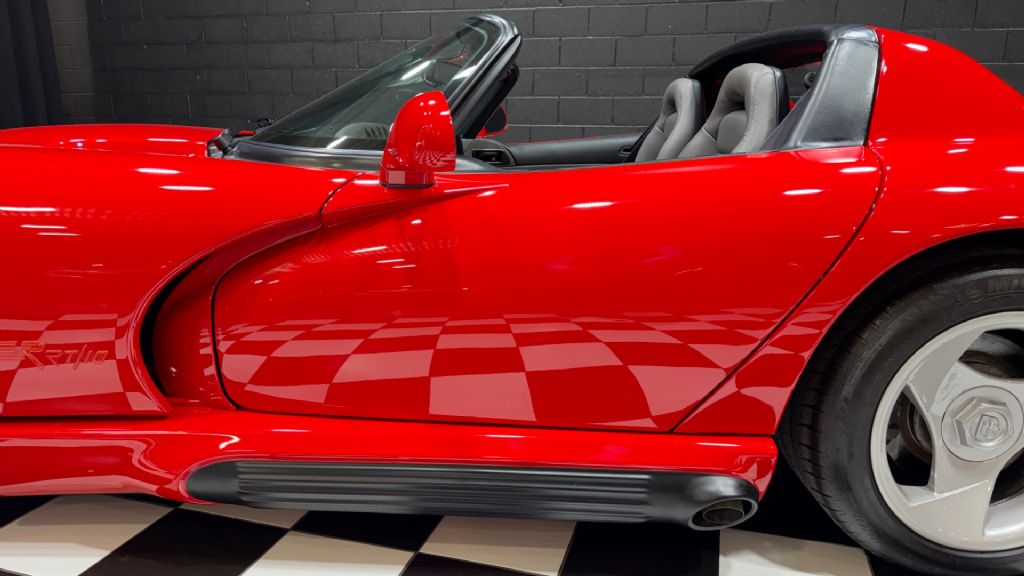
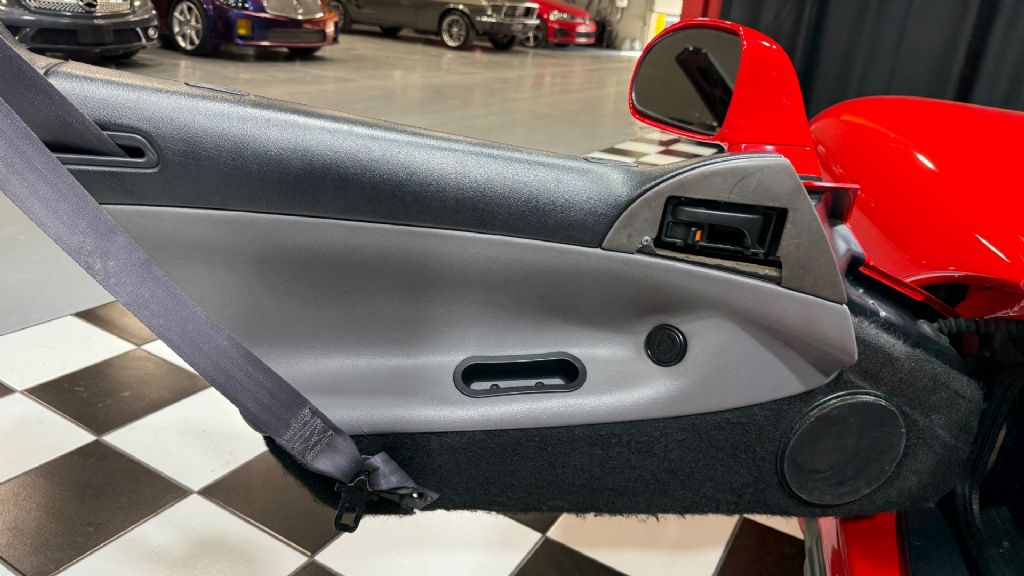
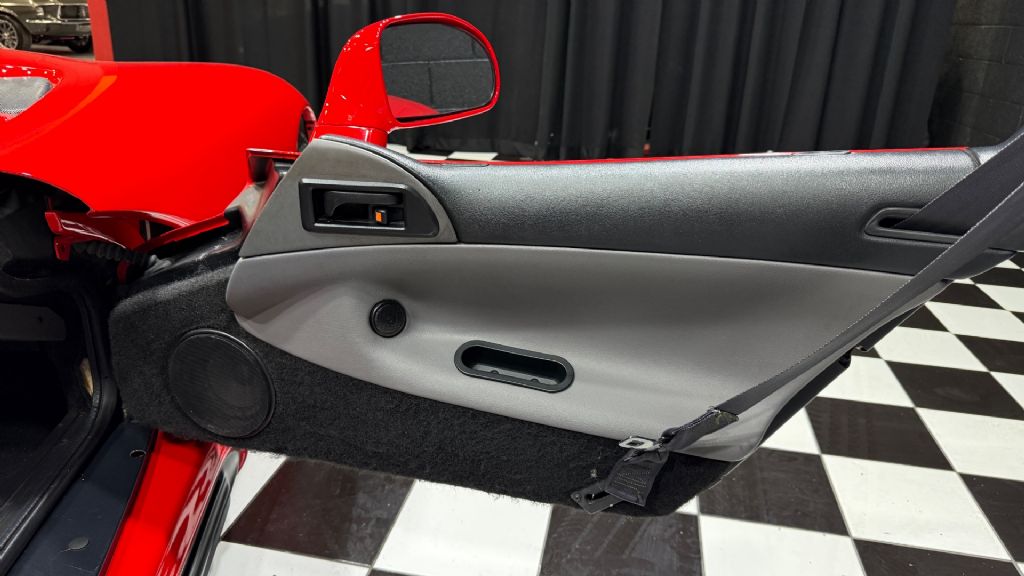
No exterior door handles
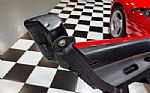
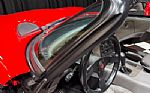
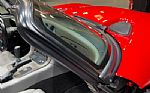
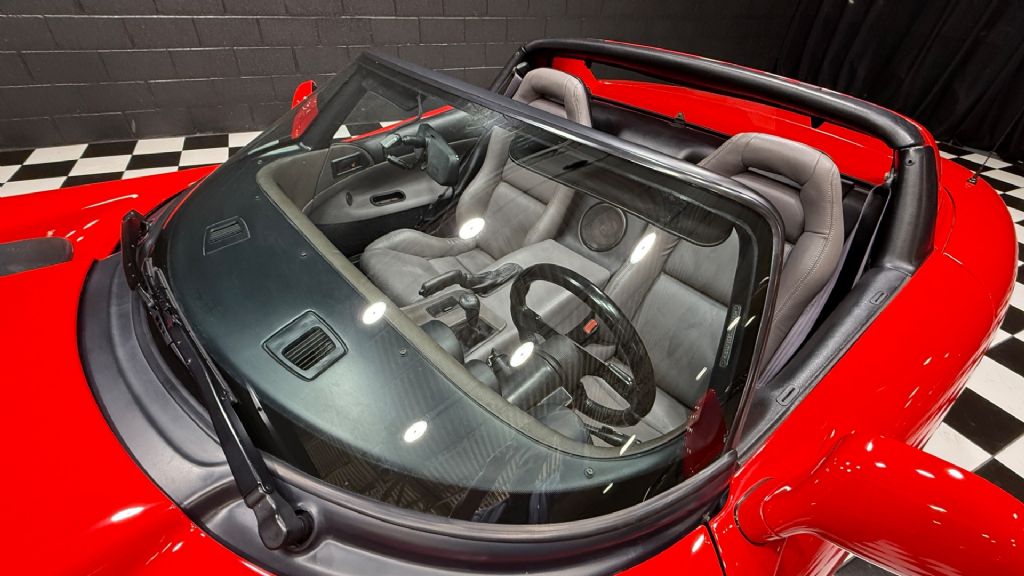
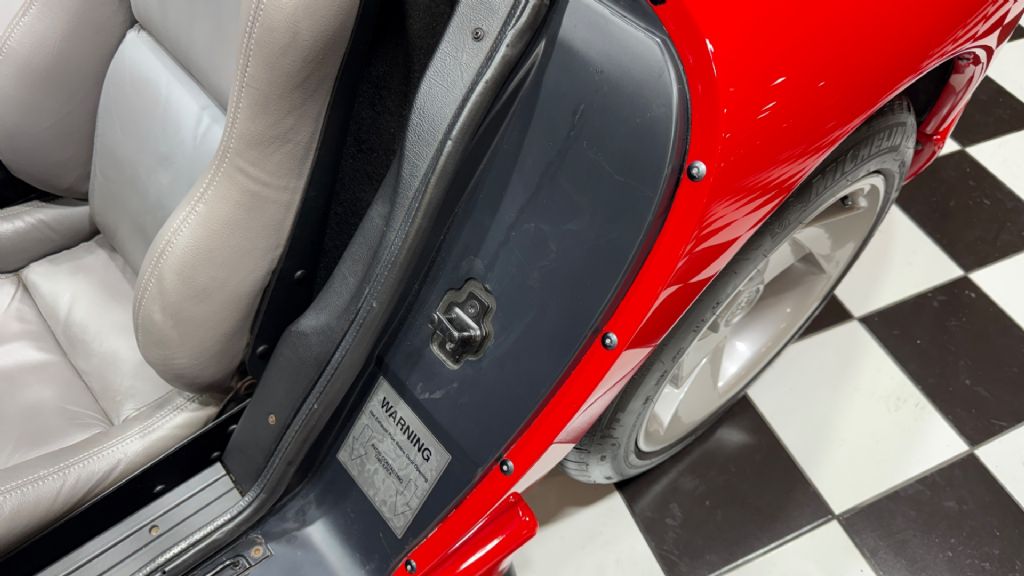
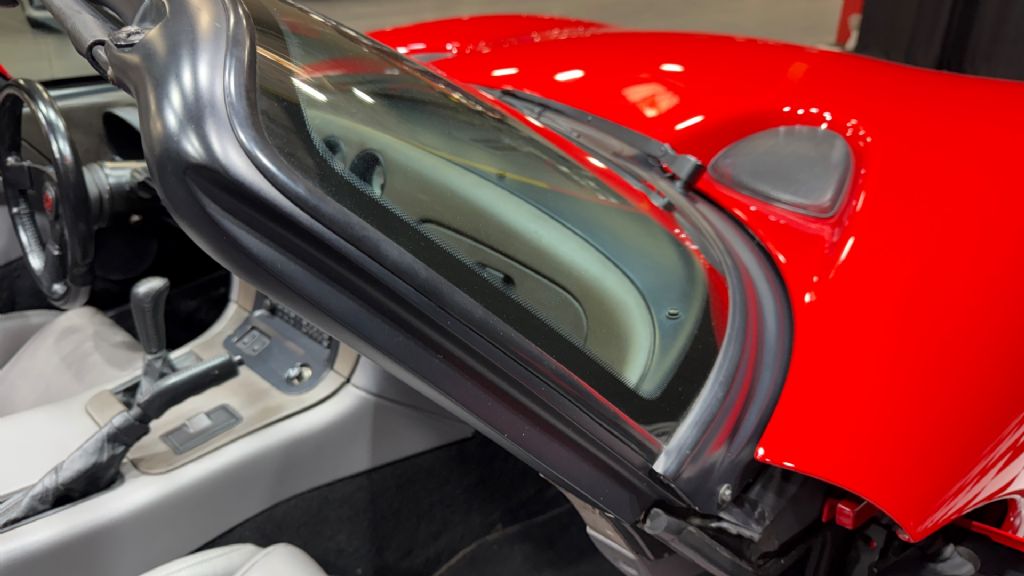
No real windows (snap-in side curtains)
No air conditioning
No airbags
No traction control
No ABS
It had side-exit exhaust that would cook your legs and a driving experience that demanded respect. It wasn?t refined it was <strong data-end="1214" data-start="1203">intense</b>.
Limited Production
Only about <strong data-end="1290" data-start="1254">285 units were produced for 1992</b>, making first-year cars especially collectible. Early VIN cars and original-condition examples are highly sought after today.
Built as a Statement
The Viper made its public debut as a pace car at the <strong data-end="1542" data-start="1501">Indianapolis 500</b>, instantly putting it in front of millions of fans. It symbolized Dodge proving America could build a world-class performance car again.
Collectibility
First-year cars typically command a premium because: